WANG RESIN CAS#201058-08-4
In Stock · Ready to Ship

Certifications & Standards

FDAEUISOGMPHACCPKosherHalal

WANG RESIN CAS#201058-08-4

Wang Resin is a versatile support for solid-phase peptide synthesis, offering chemical stability and high cross-linking. It features a microporous structure for efficient reactant diffusion, making it ideal for immobilizing acids and phenols. Its moderate acid stability ensures easy cleavage with TFA, facilitating the synthesis of peptides with a free carboxyl group at the C-terminus.

Product Specifications

Contact us for detailed specifications
Certified Quality
48hr Sample Dispatch
COA & MSDS Provided

Product Description

Wang Resin is a versatile support for solid-phase peptide synthesis, offering chemical stability and high cross-linking. It features a microporous structure for efficient reactant diffusion, making it ideal for immobilizing acids and phenols. Its moderate acid stability ensures easy cleavage with TFA, facilitating the synthesis of peptides with a free carboxyl group at the C-terminus.

Category: Tag:

Description

WANG RESIN

WANG RESIN Chemical Properties
storage temp. 2-8??C
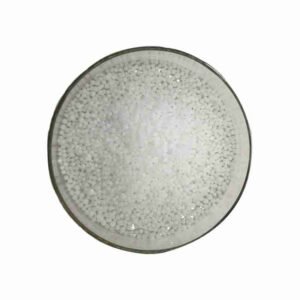
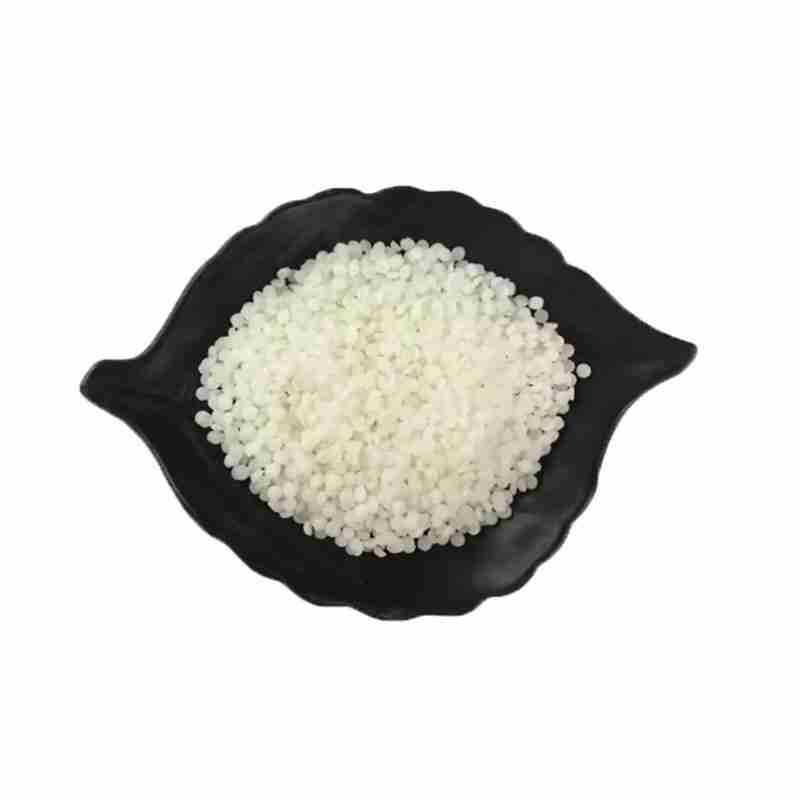
form Beads
color Beige
CAS DataBase Reference 201058-08-4
Safety Information
Hazard Codes Xn
Risk Statements 20
Safety Statements 22-36
WGK Germany 3
HS Code 39039000

Related Tags

Request a Sample or Quote

Interested in
WANG RESIN CAS#201058-08-4?

Fill in the form and our team will respond within 24 hours with product samples, full certification documents (COA/MSDS), and a competitive price quote.

Submitting...

By submitting this form you agree to be contacted by BuyChemic regarding your inquiry. We respect your privacy and will never share your information.

Related Products

You may also be interested in these products

Polyacrylamide CAS#9003-05-8

Polyacrylamide is a high molecular weight polymer with the repeat unit ( -CH_2-CH(OH)CONH- ). It is renowned for its excellent water solubility and gel-forming properties. Commonly used in water treatment, papermaking, and as a thickening agent in various industries, it also plays a crucial role in fields like biomedicine and environmental engineering due to its high viscosity and flocculation capabilities.  

View Details

Vitamin A Palmitate CAS# 79-81-2

Vitamin A ester derivatives mainly refer to its alkyl acid esters, such as vitamin A acetate, vitamin A palmitate, etc. Due to the instability of vitamin A, commercial vitamin A is available in the form of its ester. However, vitamin A acetate easily absorbs water and gets damp, while vitamin A palmitate is more stable than vitamin A acetate. Vitamin A, commonly known as retinol, is an unsaturated monohydric alcohol with an ester ring. It is a yellow flaky crystal or crystalline powder. It is a fat-soluble vitamin. It is insoluble in water and glycerol, and soluble in alcohol, ether, hydrocarbon, Most organic solvents such as halogenated hydrocarbons. Retinol palmitate is an ester of retinol combined with palmitic acid, a saturated fatty acid that is the main component of palm oil. Retinyl palmitate is easily absorbed by the skin and then converted into retinol. It is a yellow or yellow-red solid or oily substance.

View Details

3,4-Ethylenedioxythiophene CAS#126213-50-1

3,4-Ethylenedioxythiophene is a synthetic organic compound characterized by its unique structure that includes a thiophene ring with ethylenedioxy substituents at the 3 and 4 positions. This compound is known for its potential applications in the synthesis of various organic materials, including pharmaceuticals and organic electronic devices such as sensors and solar cells. Its stability and reactivity make it a versatile intermediate in the chemical industry.

View Details