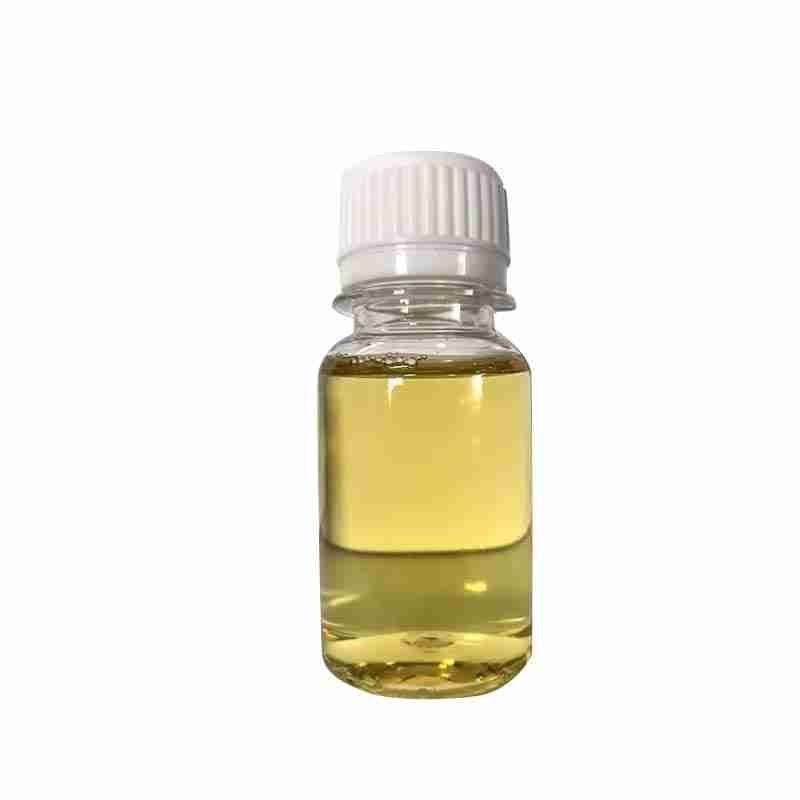
Vitamin A Palmitate CAS# 79-81-2
In Stock · Ready to Ship

Certifications & Standards

FDAEUISOGMPHACCPKosherHalal

Vitamin A Palmitate CAS# 79-81-2

Vitamin A ester derivatives mainly refer to its alkyl acid esters, such as vitamin A acetate, vitamin A palmitate, etc. Due to the instability of vitamin A, commercial vitamin A is available in the form of its ester. However, vitamin A acetate easily absorbs water and gets damp, while vitamin A palmitate is more stable than vitamin A acetate. Vitamin A, commonly known as retinol, is an unsaturated monohydric alcohol with an ester ring. It is a yellow flaky crystal or crystalline powder. It is a fat-soluble vitamin. It is insoluble in water and glycerol, and soluble in alcohol, ether, hydrocarbon, Most organic solvents such as halogenated hydrocarbons. Retinol palmitate is an ester of retinol combined with palmitic acid, a saturated fatty acid that is the main component of palm oil. Retinyl palmitate is easily absorbed by the skin and then converted into retinol. It is a yellow or yellow-red solid or oily substance.

Product Specifications

Contact us for detailed specifications
Certified Quality
48hr Sample Dispatch
COA & MSDS Provided

Product Description

Vitamin A ester derivatives mainly refer to its alkyl acid esters, such as vitamin A acetate, vitamin A palmitate, etc. Due to the instability of vitamin A, commercial vitamin A is available in the form of its ester. However, vitamin A acetate easily absorbs water and gets damp, while vitamin A palmitate is more stable than vitamin A acetate.

Vitamin A, commonly known as retinol, is an unsaturated monohydric alcohol with an ester ring. It is a yellow flaky crystal or crystalline powder. It is a fat-soluble vitamin. It is insoluble in water and glycerol, and soluble in alcohol, ether, hydrocarbon, Most organic solvents such as halogenated hydrocarbons. Retinol palmitate is an ester of retinol combined with palmitic acid, a saturated fatty acid that is the main component of palm oil. Retinyl palmitate is easily absorbed by the skin and then converted into retinol. It is a yellow or yellow-red solid or oily substance.

Category:

Description

Vitamin A Palmitate CAS# 79-81-2

Vitamin A palmitate Basic information
Product Name: Vitamin A palmitate
Synonyms: VITAMINAPALMITATE,LIQUIDINOIL,1MILLIONIU/G;VITAMINAPALMITATE,USP;[(2E,4E,6E,8E)-3,7-dimethyl-9-(2,6,6-trimethyl-1-cyclohexenyl)nona-2,4,6,8-tetraenyl] hexadecanoate;VITAMIN A PALMITATE(RETINYL PALMITATE)(RG);ALL-TRANS-RETINYLPALMITATE;VITAMIN-A-PALMITATE, STAB., 1750 U/MG;VITAMIN A PALMITATE LIQUID WITH TOCOPHERYL;all-trans-Retinol palmitate, VitaminA palmitate
CAS: 79-81-2
MF: C36H60O2
MW: 524.86
EINECS: 201-228-5
Product Categories: BAYPRESS;Vitamins and derivatives;79-81-2
Mol File: 79-81-2.mol
Vitamin A palmitate Structure
Vitamin A palmitate Chemical Properties
Melting point 28-29??
Boiling point 546.51??C (rough estimate)
density 0.9668 (rough estimate)
refractive index 1.5250 (estimate)
Fp 194??
storage temp. 2-8??C
solubility Chloroform (Slightly), Ethyl Acetate (Slightly), Methanol (Very Slightly)
form oil
Specific Gravity 0.90??0.93 (20??)
color Light Yellow to Yellow
Water Solubility Soluble in chloroform, ether, and vegetable oils. Insoluble in water.
Merck 13,10073
BRN 1917366
BCS Class 4
Stability: Light Sensitive
InChIKey VYGQUTWHTHXGQB-YFAKFODJSA-N
LogP 15.51 at 25??
CAS DataBase Reference 79-81-2(CAS DataBase Reference)
NIST Chemistry Reference Vitamin a palmitate(79-81-2)
EPA Substance Registry System Retinol, hexadecanoate (79-81-2)
Safety Information
Hazard Codes T,Xn,F
Risk Statements 63-53-61-11
Safety Statements 53-23-36/37/39-45-36/37-16-60
RIDADR UN1170 – class 3 – PG 2 – Ethanol, solution
WGK Germany 3
RTECS VH6860000
F 8-10-23
TSCA Yes
HS Code 29362100
Toxicity LD50 (10 day) in mice, rats (mg/kg): 6060, 7910 orally (Kamm)
Request a Sample or Quote

Interested in
Vitamin A Palmitate CAS# 79-81-2?

Fill in the form and our team will respond within 24 hours with product samples, full certification documents (COA/MSDS), and a competitive price quote.

Submitting...

By submitting this form you agree to be contacted by BuyChemic regarding your inquiry. We respect your privacy and will never share your information.

Related Products

You may also be interested in these products

Tetraacetylethylenediamine CAS#10543-57-4

Tetraacetylethylenediamine is a fully acetylated derivative of ethylenediamine, offering a high reactivity as an intermediate in organic synthesis. Its unique structure makes it a critical component in the production of specialty chemicals and pharmaceuticals, ensuring a wide range of applications in the chemical industry.

View Details

N,N-Diethyl-m-toluamide CAS#134-62-3

N,N-Diethyl-m-toluamide, commonly known as DEET, is a widely recognized synthetic compound that serves as the active ingredient in numerous insect repellent products. DEET is characterized by its efficacy in deterring and repelling a variety of insects, including mosquitoes, ticks, and flies, which are known vectors for diseases such as malaria, Lyme disease, and Zika virus. Chemically, DEET is an amide with the molecular formula C12H19NO. It was first developed in 1946 and has since become the benchmark against which other insect repellents are measured. DEET works by targeting the olfactory receptors of insects, masking the scent of humans and animals, which are typically attractive to these pests. This compound is valued for its long-lasting protection and stability under various environmental conditions. It is available in various formulations, including sprays, lotions, and creams, and can be applied topically to skin or clothing. DEET is also known for its compatibility with other active ingredients, allowing for the development of multi-purpose products. <p class="last-node">In summary, DEET is a reliable and effective insect repellent, widely used for its ability to provide durable protection against disease-carrying insects. Its chemical properties and formulation flexibility make it a staple in the field of personal insect protection.</p>

View Details

Isopropyl myristate CAS#110-27-0

Isopropyl myristate (IPM) is an ester-based compound commonly utilized as an emollient and solvent in the cosmetic and personal care industry. Derived from myristic acid and isopropanol, IPM possesses a lightweight, non-greasy texture that allows for easy absorption and spreadability on the skin. Chemically, it is represented by the formula C18H36O2, and it is known for its ability to dissolve a wide range of lipophilic (fat-soluble) ingredients, making it an ideal carrier for fragrances, vitamins, and other active components in formulations. IPM is also valued for its emollient properties, which help to soften and smooth the skin without leaving a residue. This ester is non-comedogenic, meaning it does not clog pores, and is suitable for various skin types, including sensitive and acne-prone skin. Its stability and compatibility with other ingredients make it a versatile component in the creation of lotions, creams, makeup products, and sunscreens. <p class="last-node">In summary, isopropyl myristate is a beneficial ingredient in skincare and cosmetic products due to its solubilizing capabilities, emollience, and non-comedogenic nature, offering a smooth application and enhancing the sensory experience without compromising skin health.</p>

View Details