N,N-Diethyl-m-toluamide CAS#134-62-3
In Stock · Ready to Ship

Certifications & Standards

FDAEUISOGMPHACCPKosherHalal

N,N-Diethyl-m-toluamide CAS#134-62-3

N,N-Diethyl-m-toluamide, commonly known as DEET, is a widely recognized synthetic compound that serves as the active ingredient in numerous insect repellent products. DEET is characterized by its efficacy in deterring and repelling a variety of insects, including mosquitoes, ticks, and flies, which are known vectors for diseases such as malaria, Lyme disease, and Zika virus. Chemically, DEET is an amide with the molecular formula C12H19NO. It was first developed in 1946 and has since become the benchmark against which other insect repellents are measured. DEET works by targeting the olfactory receptors of insects, masking the scent of humans and animals, which are typically attractive to these pests. This compound is valued for its long-lasting protection and stability under various environmental conditions. It is available in various formulations, including sprays, lotions, and creams, and can be applied topically to skin or clothing. DEET is also known for its compatibility with other active ingredients, allowing for the development of multi-purpose products. <p class="last-node">In summary, DEET is a reliable and effective insect repellent, widely used for its ability to provide durable protection against disease-carrying insects. Its chemical properties and formulation flexibility make it a staple in the field of personal insect protection.</p>

Product Specifications

Contact us for detailed specifications
Certified Quality
48hr Sample Dispatch
COA & MSDS Provided

Product Description

N,N-Diethyl-m-toluamide, commonly known as DEET, is a widely recognized synthetic compound that serves as the active ingredient in numerous insect repellent products. DEET is characterized by its efficacy in deterring and repelling a variety of insects, including mosquitoes, ticks, and flies, which are known vectors for diseases such as malaria, Lyme disease, and Zika virus.

Chemically, DEET is an amide with the molecular formula C12H19NO. It was first developed in 1946 and has since become the benchmark against which other insect repellents are measured. DEET works by targeting the olfactory receptors of insects, masking the scent of humans and animals, which are typically attractive to these pests.

This compound is valued for its long-lasting protection and stability under various environmental conditions. It is available in various formulations, including sprays, lotions, and creams, and can be applied topically to skin or clothing. DEET is also known for its compatibility with other active ingredients, allowing for the development of multi-purpose products.

In summary, DEET is a reliable and effective insect repellent, widely used for its ability to provide durable protection against disease-carrying insects. Its chemical properties and formulation flexibility make it a staple in the field of personal insect protection.

Description

N,N-Diethyl-m-toluamide Chemical Properties
Melting point -45 ??C
Boiling point 111???C1?mm Hg
density 0.998?g/mL?at 20???C(lit.)
vapor density 6.7 (vs air)
vapor pressure <0.01 mm Hg ( 25 ??C)
refractive index n20/D 1.523(lit.)
Fp >230???F
storage temp. room temp
solubility DMSO (Slightly), Ethyl Acetate (Slightly), Methanol (Slightly)
pka -1.37??0.70(Predicted)
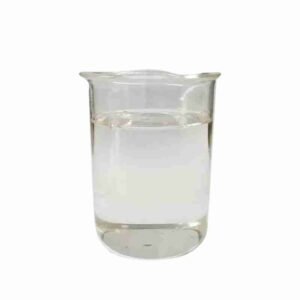
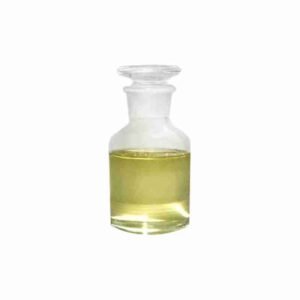
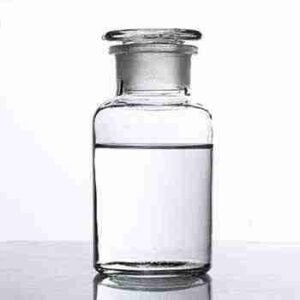
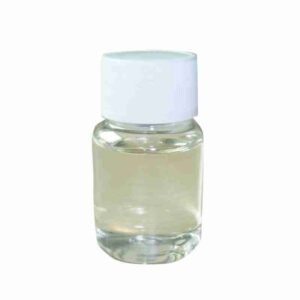
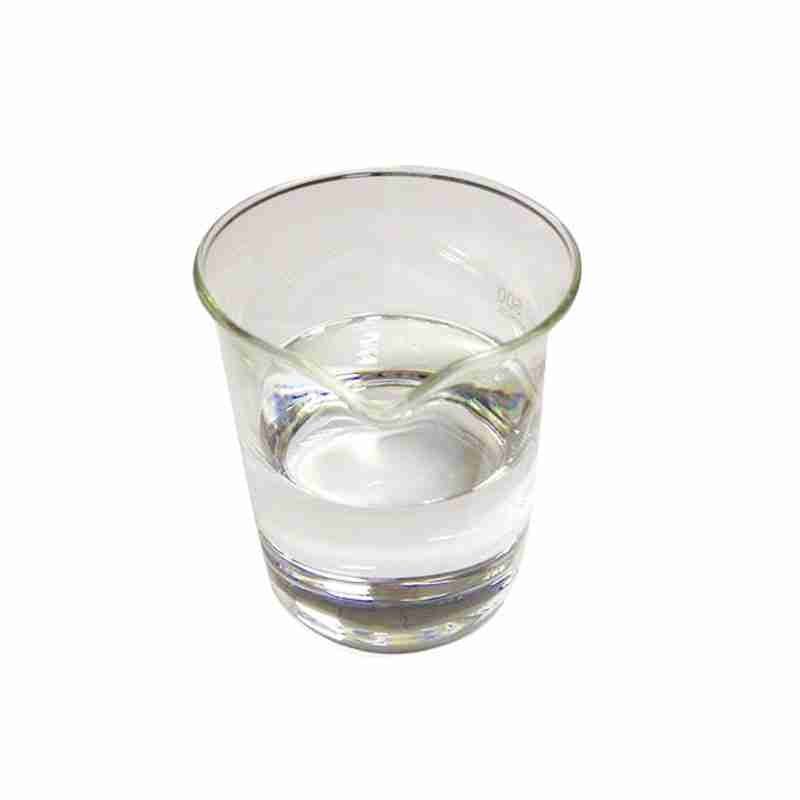
form Liquid
color Clear
Specific Gravity 0.996
Odor mild bland odor
Water Solubility NEGLIGIBLE
Merck 14,2856
BRN 2046711
Stability: Stable. Combustible. Incompatible with strong oxidizing agents, strong acids, strong bases. Hydrolyzes slowly in water.
InChIKey CXVBTGKUSLNJQZ-UHFFFAOYSA-N
CAS DataBase Reference 134-62-3(CAS DataBase Reference)
NIST Chemistry Reference Diethyltoluamide(134-62-3)
EPA Substance Registry System N,N-Diethyl-m-toluamide (134-62-3)
Safety Information
Hazard Codes Xn
Risk Statements 22-36/38-52/53
Safety Statements 61
RIDADR 2810
WGK Germany 2
RTECS XS3675000
TSCA Yes
HazardClass 6.1(b)
PackingGroup III
HS Code 29242995
Hazardous Substances Data 134-62-3(Hazardous Substances Data)
Toxicity LD50 orally in male rats (ml/kg): 2.43; in female rats: 1.78; dermally in rabbits: 3.18; LC50 by inhalation in rats (mg/l): 5.95 (U.S. EPA)

Related Tags

Request a Sample or Quote

Interested in
N,N-Diethyl-m-toluamide CAS#134-62-3?

Fill in the form and our team will respond within 24 hours with product samples, full certification documents (COA/MSDS), and a competitive price quote.

Submitting...

By submitting this form you agree to be contacted by BuyChemic regarding your inquiry. We respect your privacy and will never share your information.

Related Products

You may also be interested in these products

1-Octanol CAS#111-87-5

1-Octanol, also known as Capryl alcohol or n-Octanol, is a clear, colorless liquid with a characteristic waxy odor. It is an alcohol with eight carbon atoms in its chain, making it a part of the aliphatic alcohol family. This compound is poorly soluble in water but is miscible with ethanol, diethyl ether, and chloroform . It has a melting point of approximately -15??C and a boiling point of around 196??C . 1-Octanol is used in the production of esters, plasticizers, and as a solvent or intermediate in the synthesis of various organic compounds. It also finds application in the fragrance industry as a fixative in perfumes and can be used in the formulation of flavor and scent compositions . It is important to note that 1-Octanol is flammable and should be handled with care, storing it away from sources of ignition and heat .

View Details

Mineral oil CAS#8042-47-5

Mineral oil, derived from petroleum, is a colorless and odorless liquid. It's widely used in the cosmetics, pharmaceutical, and food industries. Known for its lubricating and moisturizing properties, it's a key ingredient in many skincare products, offering a smooth, non-greasy feel. Its stability and purity make it a reliable component in various formulations.

View Details