Phenolic epoxy resin CAS#61788-97-4
In Stock · Ready to Ship

Certifications & Standards

FDAEUISOGMPHACCPKosherHalal

Phenolic epoxy resin CAS#61788-97-4

Epoxy Resin is a thermosetting polymer with superior adhesion, mechanical strength, and chemical resistance. It is widely used in various applications, including electrical insulation, coatings, and composite materials, due to its versatility and ability to be cured at room temperature.

Product Specifications

Contact us for detailed specifications
Certified Quality
48hr Sample Dispatch
COA & MSDS Provided

Product Description

Epoxy Resin is a thermosetting polymer with superior adhesion, mechanical strength, and chemical resistance. It is widely used in various applications, including electrical insulation, coatings, and composite materials, due to its versatility and ability to be cured at room temperature.

Category: Tag:

Description

Phenolic epoxy resin

Phenolic epoxy resin Chemical Properties
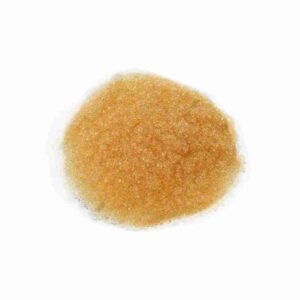
form Uncured resins are longchained prepolymers that are viscous liquids or solids; the cured resins are strong, solid polymers
EPA Substance Registry System Epoxy resins (61788-97-4)

Related Tags

Request a Sample or Quote

Interested in
Phenolic epoxy resin CAS#61788-97-4?

Fill in the form and our team will respond within 24 hours with product samples, full certification documents (COA/MSDS), and a competitive price quote.

Submitting...

By submitting this form you agree to be contacted by BuyChemic regarding your inquiry. We respect your privacy and will never share your information.

Related Products

You may also be interested in these products

Lactobionic acid CAS#96-82-2

Lactobionic acid is a naturally occurring, high molecular weight sugar acid derived from lactose, known for its multifaceted applications in the pharmaceutical and cosmetic industries. With the chemical formula C18H32O12, it is a reducing sugar that forms a component of the milk sugar lactose. This water-soluble compound is celebrated for its antioxidant and chelating properties, which make it an effective ingredient in skincare products, particularly for its ability to protect the skin from oxidative stress and environmental aggressors. Lactobionic acid is also recognized for its gentle exfoliating action, as it can help to remove dead skin cells and promote cell renewal without causing irritation. Moreover, its acidic nature contributes to its use as a pH adjuster in formulations, helping to maintain the skin's natural acid mantle. Lactobionic acid is also valued for its ability to complex with metal ions, providing stability to products and enhancing the performance of other active ingredients. <p class="last-node">In summary, lactobionic acid is a versatile ingredient in skincare, offering antioxidant benefits, promoting skin renewal, and providing a stable platform for product formulation. Its gentle yet effective properties make it suitable for a wide range of skin types and applications.</p>

View Details

Paeoniflorin CAS# 23180-57-6

Peony is the dried root of the perennial herbaceous plant Paeoniaceae in the Paeoniaceae family. It is bitter, sour and slightly cold. It returns to the liver and spleen meridians. It has the functions of calming the liver and relieving pain, nourishing blood and regulating menstruation, astringing yin and stopping sweating. It is used for headaches, dizziness, rib pain, abdominal pain, cramps and pain in limbs, blood deficiency and chlorosis, irregular menstruation, spontaneous perspiration, and night sweats. Paeoniflorin is the main functional component of peony. It is an important physiologically active substance with anti-inflammatory effects, immune system effects, liver protection effects, analgesic effects, etc.

View Details

Vitamin A Acetate CAS# 127-47-9 Retinyl Acetate

Retinyl acetate (Vitamin A Acetate) is a yellow prismatic crystal, a lipid compound, and its chemical stability is better than vitamin A. This product or its palmitate is often used clinically dissolved in vegetable oil, and is hydrolyzed by enzymes in the body to obtain vitamin A. The vitamin A recorded in the Chinese Pharmacopoeia is actually vitamin A acetate. There are two types of vitamin A alcohol: vitamin A1 alcohol, which is retinol, and vitamin A2 alcohol, which is dehydroretinol. Vitamin A alcohol usually refers to vitamin A1 alcohol. The biological potency of vitamin A2 alcohol is 30-40% of that of vitamin A1 alcohol. Its structure is similar to vitamin A1 alcohol, except that it has one more double bond at the C-3 and C-4 positions of the cyclohexene ring.

View Details