Paeoniflorin CAS# 23180-57-6
In Stock · Ready to Ship

Certifications & Standards

FDAEUISOGMPHACCPKosherHalal

Paeoniflorin CAS# 23180-57-6

Peony is the dried root of the perennial herbaceous plant Paeoniaceae in the Paeoniaceae family. It is bitter, sour and slightly cold. It returns to the liver and spleen meridians. It has the functions of calming the liver and relieving pain, nourishing blood and regulating menstruation, astringing yin and stopping sweating. It is used for headaches, dizziness, rib pain, abdominal pain, cramps and pain in limbs, blood deficiency and chlorosis, irregular menstruation, spontaneous perspiration, and night sweats. Paeoniflorin is the main functional component of peony. It is an important physiologically active substance with anti-inflammatory effects, immune system effects, liver protection effects, analgesic effects, etc.

Product Specifications

Contact us for detailed specifications
Certified Quality
48hr Sample Dispatch
COA & MSDS Provided

Product Description

Peony is the dried root of the perennial herbaceous plant Paeoniaceae in the Paeoniaceae family. It is bitter, sour and slightly cold. It returns to the liver and spleen meridians. It has the functions of calming the liver and relieving pain, nourishing blood and regulating menstruation, astringing yin and stopping sweating. It is used for headaches, dizziness, rib pain, abdominal pain, cramps and pain in limbs, blood deficiency and chlorosis, irregular menstruation, spontaneous perspiration, and night sweats.

Paeoniflorin is the main functional component of peony. It is an important physiologically active substance with anti-inflammatory effects, immune system effects, liver protection effects, analgesic effects, etc.

Description

Paeoniflorin CAS# 23180-57-6

Paeoniflorin Basic information
Product Name: Paeoniflorin
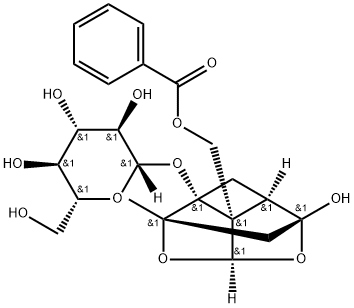
Synonyms: 5beta-[(benzoyloxy)methyl]tetrahydro-5-hydroxy-2-methyl-2,5-methano-1h-3,4-dioxacyclobuta[cd]pentalen-1alpha(2h)-yl-beta-d-glucopyranoside;PAEONIFLORIN;5-alpha,5a-alpha,5b-alpha))-a-alph;5-methano-1h-3,4-dioxacyclobuta(cd)pentalen-1a(2h)-yl,(1ar-(1a-alpha,2-beta,3;White Peony Root P.E.;??-d-Glucopyranoside, 5b-[(benzoyloxy)methyl]tetrahydro-5-hydroxy-2-methyl-2,5-methano-1H-3,4-dioxacyclobuta[cd]pentalen-1a(2H)-yl, [1aR-(1a??,2??,3a??,5??,5a??,5b??)]-;beta.-d-Glucopyranoside, 5b-[(benzoyloxy)methyl]tetrahydro-5-hydroxy-2-methyl-2,5-methano-1H-3,4-dioxacyclobuta[cd]pentalen-1a(2H)-yl, [1aR-(1a.alpha.,2.beta.,3a.alpha.,5.alpha.,5a.alpha.,5b.alpha.)];Paeonia lactiflora P.E.
CAS: 23180-57-6
MF: C23H28O11
MW: 480.47
EINECS: 245-476-2
Product Categories: Heterocycles;Natural Plant Extract;The group of Paeoniflorin;Steroids;API’s;Veterinaries;Inhibitors;Plant extract;reference substance;chemical reagent;pharmaceutical intermediate;phytochemical;reference standards from Chinese medicinal herbs (TCM).;standardized herbal extract
Mol File: 23180-57-6.mol
Paeoniflorin Structure
Paeoniflorin Chemical Properties
Melting point approximate 124?? (dec.)
Boiling point 498.51??C (rough estimate)
density 1.3044 (rough estimate)
refractive index 1.5376 (estimate)
storage temp. 2-8??C
solubility Methanol (Slightly, Sonicated), Pyridine (Slightly)
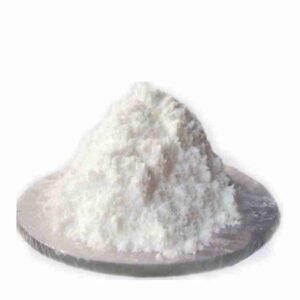
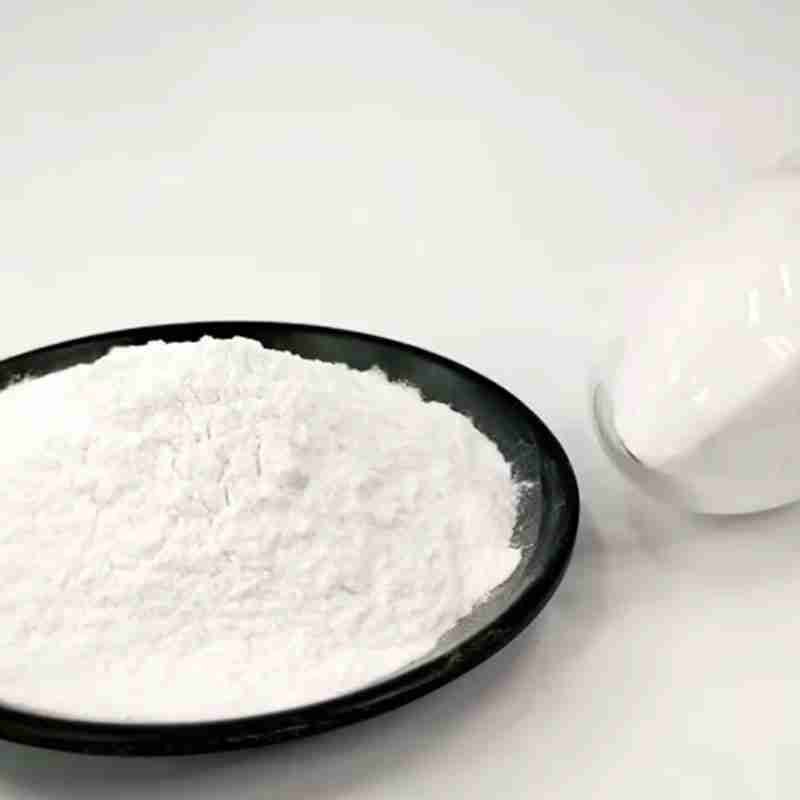
form powder
pka 11.52??0.70(Predicted)
color white
InChIKey YKRGDOXKVOZESV-WRJNSLSBSA-N
CAS DataBase Reference 23180-57-6(CAS DataBase Reference)
Safety Information
Safety Statements 24/25
WGK Germany 3
RTECS RT1200000
HS Code 29389090
Toxicity LD50 ipr-mus: 9530 mg/kg YKKZAJ 89,879,69

Related Tags

Request a Sample or Quote

Interested in
Paeoniflorin CAS# 23180-57-6?

Fill in the form and our team will respond within 24 hours with product samples, full certification documents (COA/MSDS), and a competitive price quote.

Submitting...

By submitting this form you agree to be contacted by BuyChemic regarding your inquiry. We respect your privacy and will never share your information.

Related Products

You may also be interested in these products

Chlorinated paraffin CAS#63449-39-8

Chlorinated paraffin is a family of industrial chemicals produced by adding chlorine to paraffin wax. These waxy solids are valued for their flame retardant properties, making them widely used in plastics, rubber, textiles, and cable insulation. They are categorized into short-chain, medium-chain, and long-chain types, each with varying chlorine content and applications. Chlorinated paraffins provide enhanced fire safety in various products, but their environmental persistence and potential toxicity are subjects of regulatory concern.

View Details

Silicone oil CAS#63148-62-9

Silicone oil, known for its chemical designation as dimethicone or polydimethylsiloxane, is a synthetic polymer with a backbone of alternating silicon and oxygen atoms, creating a highly versatile and stable compound. It is renowned for its exceptional lubricating properties, heat resistance, and non-toxic nature, making it a staple in various industries, including cosmetics, automotive, and aerospace. This hydrophobic, non-volatile oil is valued for its ability to provide a smooth, non-greasy feel and to form stable emulsions with other ingredients. In personal care products, silicone oil is used to impart a silky texture, reduce friction on the skin, and create a protective barrier against environmental stressors without clogging pores. Silicone oil's chemical inertness and resistance to oxidation contribute to its long shelf life and stability in formulations. It is also appreciated for its compatibility with a wide range of substances, allowing for the creation of multifunctional products. <p class="last-node">In summary, silicone oil is a reliable and multifaceted ingredient, offering a combination of performance, safety, and sensory benefits. Its use in a variety of applications reflects its versatility and enduring appeal in the marketplace.</p>

View Details

Isopropyl myristate CAS#110-27-0

Isopropyl myristate (IPM) is an ester-based compound commonly utilized as an emollient and solvent in the cosmetic and personal care industry. Derived from myristic acid and isopropanol, IPM possesses a lightweight, non-greasy texture that allows for easy absorption and spreadability on the skin. Chemically, it is represented by the formula C18H36O2, and it is known for its ability to dissolve a wide range of lipophilic (fat-soluble) ingredients, making it an ideal carrier for fragrances, vitamins, and other active components in formulations. IPM is also valued for its emollient properties, which help to soften and smooth the skin without leaving a residue. This ester is non-comedogenic, meaning it does not clog pores, and is suitable for various skin types, including sensitive and acne-prone skin. Its stability and compatibility with other ingredients make it a versatile component in the creation of lotions, creams, makeup products, and sunscreens. <p class="last-node">In summary, isopropyl myristate is a beneficial ingredient in skincare and cosmetic products due to its solubilizing capabilities, emollience, and non-comedogenic nature, offering a smooth application and enhancing the sensory experience without compromising skin health.</p>

View Details