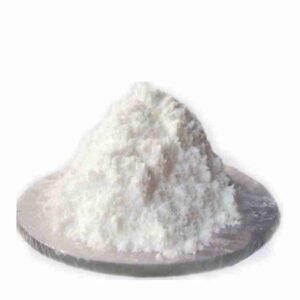
Chlorinated paraffin CAS#63449-39-8
In Stock · Ready to Ship

Certifications & Standards

FDAEUISOGMPHACCPKosherHalal

Chlorinated paraffin CAS#63449-39-8

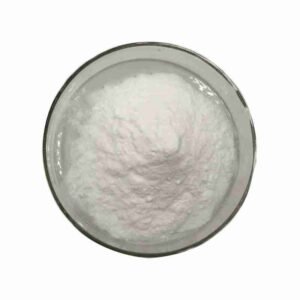
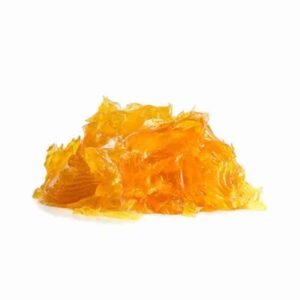
Chlorinated paraffin is a family of industrial chemicals produced by adding chlorine to paraffin wax. These waxy solids are valued for their flame retardant properties, making them widely used in plastics, rubber, textiles, and cable insulation. They are categorized into short-chain, medium-chain, and long-chain types, each with varying chlorine content and applications. Chlorinated paraffins provide enhanced fire safety in various products, but their environmental persistence and potential toxicity are subjects of regulatory concern.

Product Specifications

Contact us for detailed specifications
Certified Quality
48hr Sample Dispatch
COA & MSDS Provided

Product Description

Chlorinated paraffin is a family of industrial chemicals produced by adding chlorine to paraffin wax. These waxy solids are valued for their flame retardant properties, making them widely used in plastics, rubber, textiles, and cable insulation. They are categorized into short-chain, medium-chain, and long-chain types, each with varying chlorine content and applications. Chlorinated paraffins provide enhanced fire safety in various products, but their environmental persistence and potential toxicity are subjects of regulatory concern.
Category: Tag:

Description

Chlorinated paraffin

Chlorinated paraffin Chemical Properties
Melting point 95-110
Boiling point 413-508??
density 1.387?g/mL?at 20???C(lit.)
refractive index n20/D?1.525
Fp 392
solubility tetrahydrofuran: 0.1?g/mL, clear
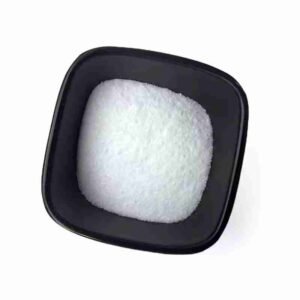
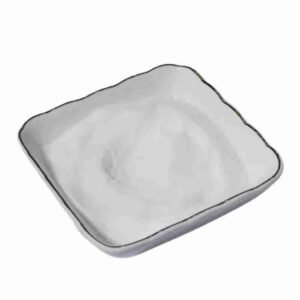
form Powder
LogP 5.88-12.83 at 18.7-20?? and pH6-7
EPA Substance Registry System Chlorinated paraffin waxes and hydrocarbon waxes (63449-39-8)
Safety Information
Safety Statements 23-24/25
WGK Germany 3
TSCA TSCA listed
Hazardous Substances Data 63449-39-8(Hazardous Substances Data)

Related Tags

Request a Sample or Quote

Interested in
Chlorinated paraffin CAS#63449-39-8?

Fill in the form and our team will respond within 24 hours with product samples, full certification documents (COA/MSDS), and a competitive price quote.

Submitting...

By submitting this form you agree to be contacted by BuyChemic regarding your inquiry. We respect your privacy and will never share your information.

Related Products

You may also be interested in these products

LAURIC ACID MONOETHANOLAMIDE CAS#142-78-9

Lauric Acid Monoethanolamide is a chemical compound derived from lauric acid, a saturated fatty acid found in coconut oil and palm kernel oil. It is commonly used as an emulsifier and surfactant in various industrial applications, including the production of personal care products, detergents, and lubricants. This compound enhances the stability and texture of formulations, making it an essential ingredient for creating smooth, homogenous mixtures. Its properties contribute to improved product performance and consumer satisfaction.

View Details

POLYETHYLENE, CHLORINATED CAS#63231-66-3

Polyethylene, chlorinated, also known as chlorinated polyethylene (CPE), is a versatile polymer derived from the chlorination of high-density polyethylene. It offers enhanced properties such as improved chemical resistance, flame retardancy, and UV stability compared to its non-chlorinated counterpart. CPE is widely used in applications requiring durability and resistance to environmental factors, including wire and cable insulation, coatings, and adhesives. Its flexibility and processability make it a preferred choice in the manufacturing of various industrial products.

View Details

Levodopa CAS#59-92-7

Levodopa, also known as L-DOPA or 3,4-dihydroxy-L-phenylalanine, is a naturally occurring amino acid and a critical precursor in the biosynthesis of the neurotransmitters dopamine, norepinephrine, and epinephrine. With the molecular formula C9H11NO4, levodopa is a large, neutral amino acid that plays a significant role in the treatment of Parkinson's disease due to its ability to cross the blood-brain barrier and be converted into dopamine. Chemically, levodopa is synthesized from the precursor amino acid tyrosine through the action of the enzyme tyrosine hydroxylase. As a medication, levodopa is often formulated with a peripheral DOPA decarboxylase inhibitor to reduce its conversion to dopamine outside the brain, thereby increasing its effectiveness and reducing side effects. Levodopa is characterized by its effectiveness in alleviating the motor symptoms of Parkinson's disease, such as tremors, rigidity, and bradykinesia. It is typically administered orally and absorbed from the gastrointestinal tract, where it is then transported to the brain. <p class="last-node">In summary, levodopa is a vital pharmaceutical compound used in neurology for its role in treating Parkinson's disease by replenishing the brain's dopamine levels. Its targeted delivery and conversion to dopamine make it an essential treatment option for managing the motor symptoms associated with this condition.</p>

View Details