Levodopa CAS#59-92-7
In Stock · Ready to Ship

Certifications & Standards

FDAEUISOGMPHACCPKosherHalal

Levodopa CAS#59-92-7

Levodopa, also known as L-DOPA or 3,4-dihydroxy-L-phenylalanine, is a naturally occurring amino acid and a critical precursor in the biosynthesis of the neurotransmitters dopamine, norepinephrine, and epinephrine. With the molecular formula C9H11NO4, levodopa is a large, neutral amino acid that plays a significant role in the treatment of Parkinson's disease due to its ability to cross the blood-brain barrier and be converted into dopamine. Chemically, levodopa is synthesized from the precursor amino acid tyrosine through the action of the enzyme tyrosine hydroxylase. As a medication, levodopa is often formulated with a peripheral DOPA decarboxylase inhibitor to reduce its conversion to dopamine outside the brain, thereby increasing its effectiveness and reducing side effects. Levodopa is characterized by its effectiveness in alleviating the motor symptoms of Parkinson's disease, such as tremors, rigidity, and bradykinesia. It is typically administered orally and absorbed from the gastrointestinal tract, where it is then transported to the brain. <p class="last-node">In summary, levodopa is a vital pharmaceutical compound used in neurology for its role in treating Parkinson's disease by replenishing the brain's dopamine levels. Its targeted delivery and conversion to dopamine make it an essential treatment option for managing the motor symptoms associated with this condition.</p>

Product Specifications

Contact us for detailed specifications
Certified Quality
48hr Sample Dispatch
COA & MSDS Provided

Product Description

Levodopa, also known as L-DOPA or 3,4-dihydroxy-L-phenylalanine, is a naturally occurring amino acid and a critical precursor in the biosynthesis of the neurotransmitters dopamine, norepinephrine, and epinephrine. With the molecular formula C9H11NO4, levodopa is a large, neutral amino acid that plays a significant role in the treatment of Parkinson’s disease due to its ability to cross the blood-brain barrier and be converted into dopamine.

Chemically, levodopa is synthesized from the precursor amino acid tyrosine through the action of the enzyme tyrosine hydroxylase. As a medication, levodopa is often formulated with a peripheral DOPA decarboxylase inhibitor to reduce its conversion to dopamine outside the brain, thereby increasing its effectiveness and reducing side effects.

Levodopa is characterized by its effectiveness in alleviating the motor symptoms of Parkinson’s disease, such as tremors, rigidity, and bradykinesia. It is typically administered orally and absorbed from the gastrointestinal tract, where it is then transported to the brain.

In summary, levodopa is a vital pharmaceutical compound used in neurology for its role in treating Parkinson’s disease by replenishing the brain’s dopamine levels. Its targeted delivery and conversion to dopamine make it an essential treatment option for managing the motor symptoms associated with this condition.

Description

Levodopa Chemical Properties
Melting point 276-278 ??C (lit.)
Boiling point 334.28??C (rough estimate)
alpha -11.7 o (c=5.3, 1N HCl)
density 1.3075 (rough estimate)
refractive index -12 ?? (C=5, 1mol/L HCl)
storage temp. 2-8??C
solubility Slightly soluble in water, practically insoluble in ethanol (96 per cent). It is freely soluble in 1 M hydrochloric acid and sparingly soluble in 0.1 M hydrochloric acid .
pka 2.32(at 25??)
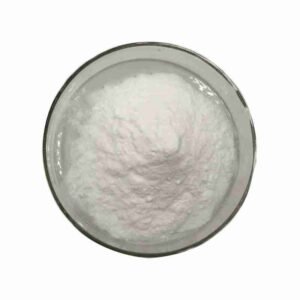
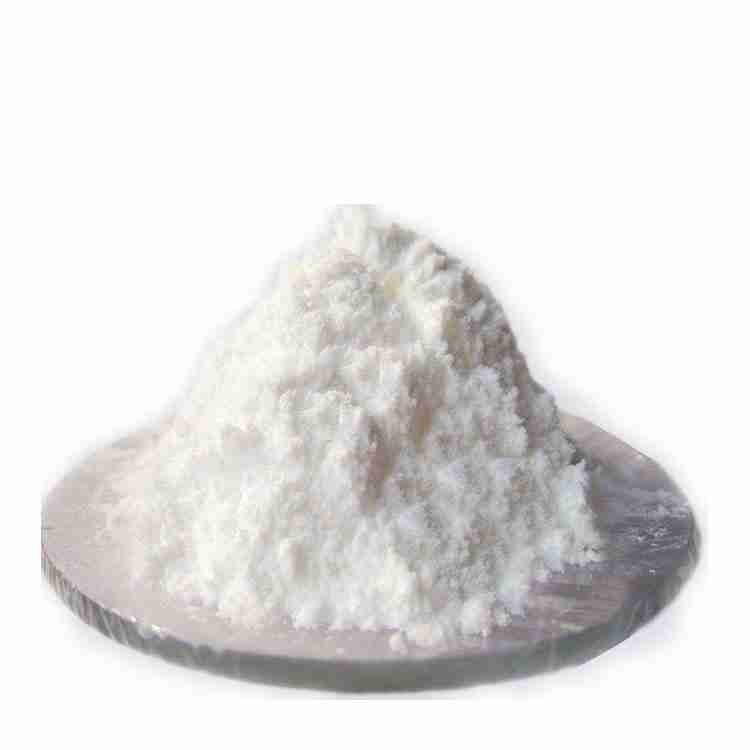
form Crystalline Powder
color White to creamy
Odor at 100.00 %. odorless
Odor Type odorless
Water Solubility Slightly soluble in water, dilute hydrochloric acid and formic acid. Insoluble in ethanol.
Merck 14,5464
BRN 2215169
Stability: Stable. Incompatible with strong oxidizing agents. Light and air sensitive.
InChIKey WTDRDQBEARUVNC-LURJTMIESA-N
LogP -1.154 (est)
CAS DataBase Reference 59-92-7(CAS DataBase Reference)
NIST Chemistry Reference Levodopa(59-92-7)
EPA Substance Registry System Levodopa (59-92-7)
Safety Information
Hazard Codes Xn
Risk Statements 22-36/37/38-20/21/22
Safety Statements 26-36-24/25
WGK Germany 3
RTECS AY5600000
F 10-23
TSCA Yes
HS Code 29225090
Hazardous Substances Data 59-92-7(Hazardous Substances Data)
Toxicity LD50 in mice (mg/kg): 3650 ??327 orally, 1140 ??66 i.p., 450 ??42 i.v., >400 s.c.; in male, female rats (mg/kg): >3000, >3000 orally; 624, 663 i.p.; >1500, >1500 s.c. (Clark)

Related Tags

Request a Sample or Quote

Interested in
Levodopa CAS#59-92-7?

Fill in the form and our team will respond within 24 hours with product samples, full certification documents (COA/MSDS), and a competitive price quote.

Submitting...

By submitting this form you agree to be contacted by BuyChemic regarding your inquiry. We respect your privacy and will never share your information.

Related Products

You may also be interested in these products

3,4-Ethylenedioxythiophene CAS#126213-50-1

3,4-Ethylenedioxythiophene is a synthetic organic compound characterized by its unique structure that includes a thiophene ring with ethylenedioxy substituents at the 3 and 4 positions. This compound is known for its potential applications in the synthesis of various organic materials, including pharmaceuticals and organic electronic devices such as sensors and solar cells. Its stability and reactivity make it a versatile intermediate in the chemical industry.

View Details

Butylated Hydroxytoluene CAS#128-37-0

Butylated Hydroxytoluene (BHT) is a synthetic phenolic antioxidant commonly added to foods, cosmetics, and packaging to prevent the oxidation of fats and oils, thereby extending their shelf life. It is also used as a preservative in a variety of products, including rubber, petroleum products, and animal feed. BHT is recognized for its effectiveness in maintaining nutrient levels, color, flavor, and odor in food products . It is known to have a melting point of 69-71??C, a boiling point of 265??C, and is soluble in ethanol, acetone, and benzene, but not in water, glycerin, or propylene glycol . BHT is also used in some dietary supplements due to its antioxidant properties . However, it is important to handle BHT with care, as it can cause skin irritation and is considered harmful if swallowed .

View Details

Strontium chlorideCAS#10476-85-4

Strontium chloride is an inorganic compound with the chemical formula SrCl2. It is a white crystalline solid that is highly soluble in water. This compound is used in various applications, including the production of strontium salts for??? and pyrotechnics, where it imparts a deep red color to the flame. Additionally, strontium chloride is utilized in metallurgy as an ingredient in alloys and in the medical field for certain diagnostic procedures. Its chemical properties make it a valuable substance in a range of industrial and scientific applications.

View Details