Methylcyclopentadienyl manganese tricarbonyl CAS#12108-13-3
In Stock · Ready to Ship

Certifications & Standards

FDAEUISOGMPHACCPKosherHalal

Methylcyclopentadienyl manganese tricarbonyl CAS#12108-13-3

Methylcyclopentadienyl manganese tricarbonyl, commonly referred to as Mn2(CO)10 or simply as "manganese carbonyl," is an organometallic compound with the molecular formula C5H5MnO3. It is a dark brown to black crystalline solid that is highly sensitive to air and moisture due to its reactivity. This compound is characterized by its cyclic structure, where a methyl group is attached to a cyclopentadienyl ring that is bonded to a manganese atom. The manganese atom is further coordinated by three carbonyl groups, which are essential to the stability of the molecule. Mn2(CO)10 is used in various applications, including as a precursor in the synthesis of other organometallic compounds and in the production of specialty chemicals and materials. It is also utilized in the pharmaceutical industry for the synthesis of complex organic molecules and as a catalyst in certain chemical reactions. The compound is known for its volatility and must be handled with care under an inert atmosphere to prevent decomposition. Its industrial applications are limited by its toxicity and the need for specialized handling procedures. <p class="last-node">In summary, methylcyclopentadienyl manganese tricarbonyl is a versatile organometallic compound with a range of applications in chemical synthesis and industry. Its unique structure and reactivity make it a valuable yet challenging compound to work with in scientific and industrial settings.</p>

Product Specifications

Contact us for detailed specifications
Certified Quality
48hr Sample Dispatch
COA & MSDS Provided

Product Description

Methylcyclopentadienyl manganese tricarbonyl, commonly referred to as Mn2(CO)10 or simply as “manganese carbonyl,” is an organometallic compound with the molecular formula C5H5MnO3. It is a dark brown to black crystalline solid that is highly sensitive to air and moisture due to its reactivity.

This compound is characterized by its cyclic structure, where a methyl group is attached to a cyclopentadienyl ring that is bonded to a manganese atom. The manganese atom is further coordinated by three carbonyl groups, which are essential to the stability of the molecule.

Mn2(CO)10 is used in various applications, including as a precursor in the synthesis of other organometallic compounds and in the production of specialty chemicals and materials. It is also utilized in the pharmaceutical industry for the synthesis of complex organic molecules and as a catalyst in certain chemical reactions.

The compound is known for its volatility and must be handled with care under an inert atmosphere to prevent decomposition. Its industrial applications are limited by its toxicity and the need for specialized handling procedures.

In summary, methylcyclopentadienyl manganese tricarbonyl is a versatile organometallic compound with a range of applications in chemical synthesis and industry. Its unique structure and reactivity make it a valuable yet challenging compound to work with in scientific and industrial settings.

Description

Methylcyclopentadienyl manganese tricarbonyl Chemical Properties
Melting point -1 ??C (lit.)
Boiling point 232-233 ??C (lit.)
density 1.38 g/mL at 25 ??C (lit.)
vapor density >1 (vs air)
vapor pressure 0.05 mm Hg ( 20 ??C)
refractive index n20/D 1.584(lit.)
Fp 205???F
storage temp. Poison room
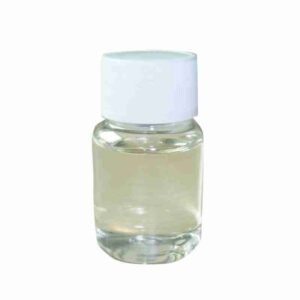
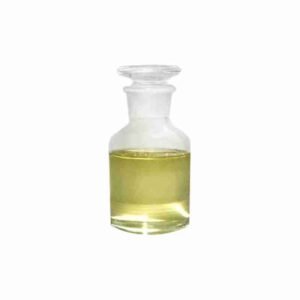
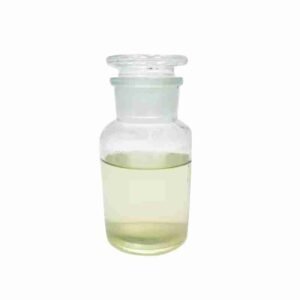
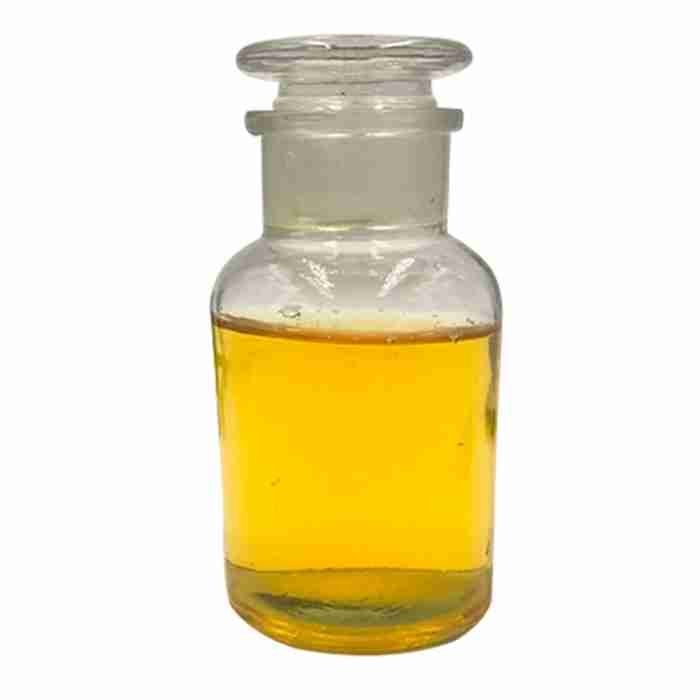
form liquid
color yellow
Specific Gravity 1.388
Water Solubility Insoluble in water. Soluble in hydrocarbon solvents, alcohols, ether, acetone
Sensitive Air Sensitive
Merck 14,6223
Exposure limits ACGIH: TWA 0.2 mg/m3 (Skin)
OSHA: Ceiling 5 mg/m3
NIOSH: IDLH 500 mg/m3; TWA 0.2 mg/m3; TWA 1 mg/m3; STEL 3 mg/m3
Stability: Stable. Incompatible with strong oxidizing agents.
InChIKey LYHJNAIHGFWRKM-UHFFFAOYSA-N
LogP 3.4 at 26??
CAS DataBase Reference 12108-13-3(CAS DataBase Reference)
EPA Substance Registry System Methylcyclopentadienyl manganese tricarbonyl (12108-13-3)
Safety Information
Hazard Codes T,N,T+
Risk Statements 23/24/25-40-50/53-48/23-38-26-24/25
Safety Statements 23-26-36/37/39-45-61-60-36/37-28
RIDADR UN 3281 6.1/PG 2
OEB C
OEL TWA: 0.2 mg/m3 [skin]
WGK Germany 3
RTECS OP1450000
TSCA Yes
HazardClass 6.1
PackingGroup II
Hazardous Substances Data 12108-13-3(Hazardous Substances Data)
Toxicity LD50 orally in mice, guinea pig, rabbit: 352; 905; 95 mg/kg; orally in male, female rats: 175 ??33; 89 ??14; LC50 inhalation in rat: 0.22 mg/l (Stara)

Related Tags

Request a Sample or Quote

Interested in
Methylcyclopentadienyl manganese tricarbonyl CAS#12108-13-3?

Fill in the form and our team will respond within 24 hours with product samples, full certification documents (COA/MSDS), and a competitive price quote.

Submitting...

By submitting this form you agree to be contacted by BuyChemic regarding your inquiry. We respect your privacy and will never share your information.

Related Products

You may also be interested in these products

1-Octanol CAS#111-87-5

1-Octanol, also known as Capryl alcohol or n-Octanol, is a clear, colorless liquid with a characteristic waxy odor. It is an alcohol with eight carbon atoms in its chain, making it a part of the aliphatic alcohol family. This compound is poorly soluble in water but is miscible with ethanol, diethyl ether, and chloroform . It has a melting point of approximately -15??C and a boiling point of around 196??C . 1-Octanol is used in the production of esters, plasticizers, and as a solvent or intermediate in the synthesis of various organic compounds. It also finds application in the fragrance industry as a fixative in perfumes and can be used in the formulation of flavor and scent compositions . It is important to note that 1-Octanol is flammable and should be handled with care, storing it away from sources of ignition and heat .

View Details

Aluminum chlorohydrate CAS#1327-41-9

Aluminum chlorohydrate is an inorganic compound often used as a coagulant in water treatment processes. It is also known for its astringent properties and is utilized in various personal care products, such as antiperspirants and deodorants, due to its ability to temporarily close sweat glands. It enhances the viscosity and stability of formulations, making it a valuable ingredient in cosmetics and pharmaceuticals.

View Details

N,N-Diethyl-m-toluamide CAS#134-62-3

N,N-Diethyl-m-toluamide, commonly known as DEET, is a widely recognized synthetic compound that serves as the active ingredient in numerous insect repellent products. DEET is characterized by its efficacy in deterring and repelling a variety of insects, including mosquitoes, ticks, and flies, which are known vectors for diseases such as malaria, Lyme disease, and Zika virus. Chemically, DEET is an amide with the molecular formula C12H19NO. It was first developed in 1946 and has since become the benchmark against which other insect repellents are measured. DEET works by targeting the olfactory receptors of insects, masking the scent of humans and animals, which are typically attractive to these pests. This compound is valued for its long-lasting protection and stability under various environmental conditions. It is available in various formulations, including sprays, lotions, and creams, and can be applied topically to skin or clothing. DEET is also known for its compatibility with other active ingredients, allowing for the development of multi-purpose products. <p class="last-node">In summary, DEET is a reliable and effective insect repellent, widely used for its ability to provide durable protection against disease-carrying insects. Its chemical properties and formulation flexibility make it a staple in the field of personal insect protection.</p>

View Details