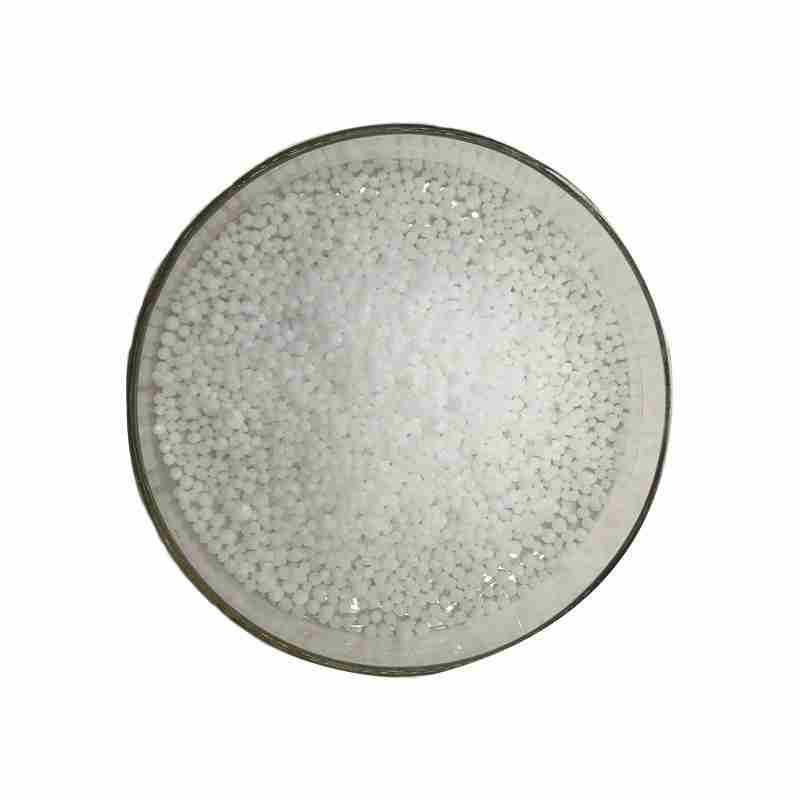
Polyacrylamide CAS#9003-05-8
In Stock · Ready to Ship

Certifications & Standards

FDAEUISOGMPHACCPKosherHalal

Polyacrylamide CAS#9003-05-8

Polyacrylamide is a high molecular weight polymer with the repeat unit ( -CH_2-CH(OH)CONH- ). It is renowned for its excellent water solubility and gel-forming properties. Commonly used in water treatment, papermaking, and as a thickening agent in various industries, it also plays a crucial role in fields like biomedicine and environmental engineering due to its high viscosity and flocculation capabilities.  

Product Specifications

Contact us for detailed specifications
Certified Quality
48hr Sample Dispatch
COA & MSDS Provided

Product Description

Polyacrylamide is a high molecular weight polymer with the repeat unit ( -CH_2-CH(OH)CONH- ). It is renowned for its excellent water solubility and gel-forming properties. Commonly used in water treatment, papermaking, and as a thickening agent in various industries, it also plays a crucial role in fields like biomedicine and environmental engineering due to its high viscosity and flocculation capabilities.


Category: Tag:

Description

Polyacrylamide

Polyacrylamide Chemical Properties
Melting point >300 ??C
density 1.189?g/mL?at 25???C
Tg 165??C
refractive index n20/D?1.452
Fp >230???F
storage temp. 2-8??C
solubility Water
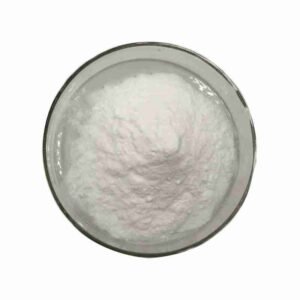
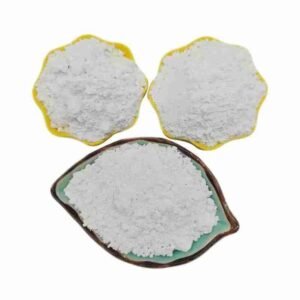
form Granules
color White to faintly yellow
Odor odorless
Water Solubility SOLUBLE
Stability: Stable. Incompatible with strong oxidizing agents, aluminium, copper, iron, iron salts
EPA Substance Registry System Polyacrylamide (9003-05-8)
Safety Information
Hazard Codes T
Risk Statements 45-21/22-36/37/38-42/43
Safety Statements 24/25-45-36/37/39-23-53
WGK Germany 1
RTECS AS3700000
TSCA TSCA listed
HS Code 39069010
Hazardous Substances Data 9003-05-8(Hazardous Substances Data)
Toxicity LD50 oral in rabbit: 11250mg/kg

Related Tags

Request a Sample or Quote

Interested in
Polyacrylamide CAS#9003-05-8?

Fill in the form and our team will respond within 24 hours with product samples, full certification documents (COA/MSDS), and a competitive price quote.

Submitting...

By submitting this form you agree to be contacted by BuyChemic regarding your inquiry. We respect your privacy and will never share your information.

Related Products

You may also be interested in these products

2-Hydroxy-4-methoxybenzophenone-5-sulfonic acid CAS#4065-45-6

2-Hydroxy-4-methoxybenzophenone-5-sulfonic acid is an advanced organic intermediate with a versatile chemical structure. It integrates a benzophenone backbone with a hydroxyl group at the 2nd position, a methoxy group at the 4th, and a sulfonic acid functionality at the 5th. This compound is valued for its role in the synthesis of specialty dyes and pharmaceuticals, offering enhanced solubility and reactivity for diverse applications in the chemical industry.

View Details

Ammonium sulfamate CAS#7773-06-0

Ammonium sulfamate is a white crystalline compound with the chemical formula (NH4)2SO3. It is a versatile chemical used in various applications, including as a flame retardant, a fertilizer ingredient, and a chemical intermediate. In the agricultural sector, it serves as a source of nitrogen, promoting plant growth. As a flame retardant, it is effective in reducing the flammability of materials. Additionally, it is used in the synthesis of other chemicals due to its reactivity with amines and other organic compounds. Its properties make it a valuable component in a range of industrial processes.

View Details

Puerarin CAS# 3681-99-0

<span style="color: #0066cc;">Puerarin, also known as pueraria flavonoids, is a kind of flavonoid glycoside extracted from the roots of Pueraria alba or Pueraria thomsonii and is also one of the main effective ingredients of Pueraria lobata. That Pueraria lobate was used to treat diseases has already been recorded in China??s ancient medical books such as Shen Nong??s Materia Medica, Treatise on Miscellaneous Diseases and Medical Dictionary. Kanzu root is widely distributed in our country and of rich resources. It has been reported that puerarin could be extracted from Pueraria lobata (Wild.) Ohwi, Radix Pueraria thomsonii, Pueraria omeiensiswanget Tang, Pueraria edulis Pamp and Pueraria phaseoloides, but the content of puerarin differs. Pueraria has a great value for nutrition and medicine and was considered the south ginseng of China. Puerarin has been widespread concerned over our country for its use of food and medicine in recent years.</span>

View Details