Benzyl alcohol CAS#100-51-6
In Stock · Ready to Ship

Certifications & Standards

FDAEUISOGMPHACCPKosherHalal

Benzyl alcohol CAS#100-51-6

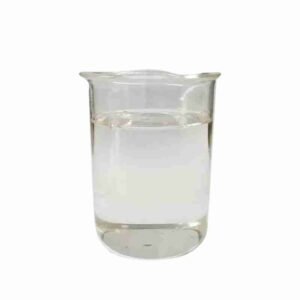
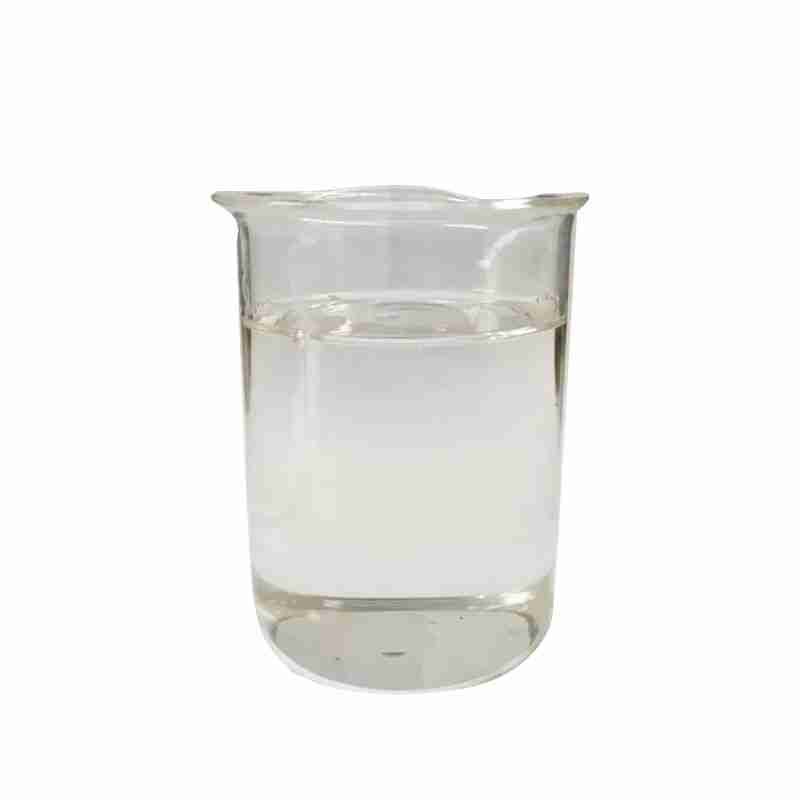
Benzyl alcohol is an aromatic alcohol with the chemical formula ( C_7H_8O ). It is a colorless liquid known for its distinctive floral odor and is used as a fragrance component in cosmetics and perfumes. Additionally, it serves as a solvent in the pharmaceutical industry and as a preservative in various products due to its antimicrobial properties.

Product Specifications

Contact us for detailed specifications
Certified Quality
48hr Sample Dispatch
COA & MSDS Provided

Product Description

Benzyl alcohol is an aromatic alcohol with the chemical formula ( C_7H_8O ). It is a colorless liquid known for its distinctive floral odor and is used as a fragrance component in cosmetics and perfumes. Additionally, it serves as a solvent in the pharmaceutical industry and as a preservative in various products due to its antimicrobial properties.

Category: Tag:

Description

Benzyl alcohol

Benzyl alcohol Chemical Properties
Melting point -15 ??C
Boiling point 205 ??C
density 1.045?g/mL?at 25???C(lit.)
vapor density 3.7 (vs air)
vapor pressure 13.3 mm Hg ( 100 ??C)
refractive index n20/D?1.539(lit.)
FEMA 2137 | BENZYL ALCOHOL
Fp 201???F
storage temp. Store at +2??C to +25??C.
solubility H2O: 33?mg/mL, clear, colorless
form Liquid
pka 14.36??0.10(Predicted)
color APHA: ??20
Relative polarity 0.608
Odor Mild, pleasant.
Odor Type floral
explosive limit 1.3-13%(V)
Water Solubility 4.29 g/100 mL (20 oC)
Merck 14,1124
JECFA Number 25
BRN 878307
Henry’s Law Constant <2.70 x 10⁻⁷?at 25 ??C (thermodynamic method-GC/UV, Altschuh et al., 1999)
Exposure limits No exposure limit is set. Because of its low vapor pressure and low toxicity, the health hazard to humans from occupational exposure should be very low.
Dielectric constant 13.1??20?棩
InChIKey WVDDGKGOMKODPV-UHFFFAOYSA-N
LogP 1.05 at 20??
CAS DataBase Reference 100-51-6(CAS DataBase Reference)
NIST Chemistry Reference Benzyl alcohol(100-51-6)
EPA Substance Registry System Benzyl alcohol (100-51-6)
Safety Information
Hazard Codes Xn,T
Risk Statements 20/22-63-43-36/37/38-23/24/25-45-40
Safety Statements 26-36/37-24/25-23-53
RIDADR UN 1593 6.1/PG 3
WGK Germany 1
RTECS DN3150000
F 8-10-23-35
Autoignition Temperature 817 ??F
TSCA Yes
HS Code 29062100
Hazardous Substances Data 100-51-6(Hazardous Substances Data)
Toxicity LD50 orally in rats: 3.1 g/kg (Smyth)

Related Tags

Request a Sample or Quote

Interested in
Benzyl alcohol CAS#100-51-6?

Fill in the form and our team will respond within 24 hours with product samples, full certification documents (COA/MSDS), and a competitive price quote.

Submitting...

By submitting this form you agree to be contacted by BuyChemic regarding your inquiry. We respect your privacy and will never share your information.

Related Products

You may also be interested in these products

Hydrocoumarin CAS# 119-84-6

Dihydrocoumarin is also known as 1,2-benzodihydropyranone, Tonkamel, and Melilotine. Natural products exist in Melilotus officinalis. It has a coumarin-like aroma at room temperature and a nitrobenzene smell at high temperatures. It has a spicy taste. It is a colorless or light yellow viscous liquid, or leaf-shaped crystals. Relative molecular weight 148.17. Relative density 1.169 (18??C). Melting point 25??C. Boiling point 272??C, 145??C (2.400??103Pa). Refractive index 1.5563. Flash point 130??C. It is slightly soluble in water, soluble in ethanol and ether, and easily soluble in chloroform. Vapor irritates the skin, eyes and respiratory tract. The oral LD50 of rats is 1460mg/kg.

View Details

Lactobionic Acid CAS# 96-82-2

Lactobionic acid (C12H22O12) is a disaccharide obtained from the oxidation of lactose. Chemically, Lactobionic acid is made up of a galactose moiety that is bonded to a gluconic acid molecule through an ether-like bond. The compound can be dehydrated to a lactone. Lactobionic acid is widely used in the chemical, food and pharmaceutical industries due to its chelating, emulsifying, humectant and chelating properties. Lactobionic acid and its constituent salts are essential as food additives due to excellent solubility, good taste, and health-promoting aspects. The compound may also be essential in the synthesis of targetable and biocompatible drug delivery systems.  

View Details