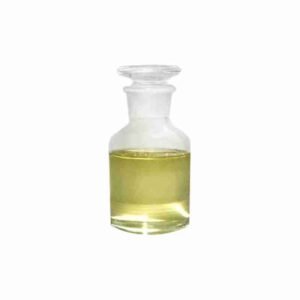
Neodecanoyl chloride CAS#40292-82-8
In Stock · Ready to Ship

Certifications & Standards

FDAEUISOGMPHACCPKosherHalal

Neodecanoyl chloride CAS#40292-82-8

Neodecanoyl chloride is a synthetic compound derived from neodecanoic acid, a branched-chain fatty acid. It is used as a reagent in organic synthesis, particularly for the formation of esters and amides. This acylating agent is also employed in the preparation of pharmaceuticals, agrochemicals, and other specialty chemicals. Its ability to react with amines and alcohols makes it versatile for creating a variety of chemical bonds, contributing to its utility in the chemical industry.

Product Specifications

Contact us for detailed specifications
Certified Quality
48hr Sample Dispatch
COA & MSDS Provided

Product Description

Neodecanoyl chloride is a synthetic compound derived from neodecanoic acid, a branched-chain fatty acid. It is used as a reagent in organic synthesis, particularly for the formation of esters and amides. This acylating agent is also employed in the preparation of pharmaceuticals, agrochemicals, and other specialty chemicals. Its ability to react with amines and alcohols makes it versatile for creating a variety of chemical bonds, contributing to its utility in the chemical industry.

Category: Tag:

Description

Neodecanoyl chloride

Neodecanoyl chloride Chemical Properties
Boiling point 209.6?? at 101.325kPa
density 0.951 at 20??
vapor pressure 22-198Pa at 20-50.85??
CAS DataBase Reference 40292-82-8(CAS DataBase Reference)
EPA Substance Registry System Neodecanoyl chloride (40292-82-8)
Safety Information
Hazard Codes T,T+
Risk Statements 22-26-34
Safety Statements 1/2-26-28-36/37/39-45

Related Tags

Request a Sample or Quote

Interested in
Neodecanoyl chloride CAS#40292-82-8?

Fill in the form and our team will respond within 24 hours with product samples, full certification documents (COA/MSDS), and a competitive price quote.

Submitting...

By submitting this form you agree to be contacted by BuyChemic regarding your inquiry. We respect your privacy and will never share your information.

Related Products

You may also be interested in these products

Octocrylene CAS#6197-30-4

Octocrylene is an organic compound widely recognized for its potent UV-filtering properties, making it an essential ingredient in sunscreens and other skincare products designed to protect the skin from harmful ultraviolet radiation. With the chemical name 2-(4-Methylbenzyl)-2H-benzotriazole-5-methyl, octocrylene is a stable and photostable molecule that provides broad-spectrum protection against both UVA and UVB rays. This oil-soluble chemical is valued for its ability to absorb UV radiation effectively, converting it into heat without causing skin irritation or staining clothes. Octocrylene is often used in combination with other UV filters to enhance the sun protection factor (SPF) of formulations, ensuring a balanced and comprehensive defense against sun damage. As a lipophilic compound, octocrylene is compatible with various cosmetic and dermatological formulations, contributing to the development of lightweight, non-greasy sunscreens. Its chemical structure allows for a high degree of safety and efficacy, making it suitable for a wide range of skin types, including sensitive skin. <p class="last-node">In summary, octocrylene is a reliable and efficient UV filter, pivotal in the formulation of modern sunscreens that offer advanced protection against the sun's harmful effects while maintaining skin comfort and product aesthetics.</p>

View Details

Succinimide CAS#123-56-8

Succinimide is a heterocyclic organic compound and an important industrial chemical. It serves as a key intermediate in the synthesis of various pharmaceuticals, agrochemicals, and other specialty chemicals. Known for its reactivity and versatility, succinimide is widely used in the production of succinic anhydride, a precursor to many polymers and plasticizers, highlighting its significance in the chemical industry.

View Details

Chlorinated paraffin CAS#63449-39-8

Chlorinated paraffin is a family of industrial chemicals produced by adding chlorine to paraffin wax. These waxy solids are valued for their flame retardant properties, making them widely used in plastics, rubber, textiles, and cable insulation. They are categorized into short-chain, medium-chain, and long-chain types, each with varying chlorine content and applications. Chlorinated paraffins provide enhanced fire safety in various products, but their environmental persistence and potential toxicity are subjects of regulatory concern.

View Details