Levodopa CAS#59-92-7
In Stock · Ready to Ship

Certifications & Standards

FDAEUISOGMPHACCPKosherHalal

Levodopa CAS#59-92-7

Levodopa, also known as L-DOPA or 3,4-dihydroxy-L-phenylalanine, is a naturally occurring amino acid and a critical precursor in the biosynthesis of the neurotransmitters dopamine, norepinephrine, and epinephrine. With the molecular formula C9H11NO4, levodopa is a large, neutral amino acid that plays a significant role in the treatment of Parkinson's disease due to its ability to cross the blood-brain barrier and be converted into dopamine. Chemically, levodopa is synthesized from the precursor amino acid tyrosine through the action of the enzyme tyrosine hydroxylase. As a medication, levodopa is often formulated with a peripheral DOPA decarboxylase inhibitor to reduce its conversion to dopamine outside the brain, thereby increasing its effectiveness and reducing side effects. Levodopa is characterized by its effectiveness in alleviating the motor symptoms of Parkinson's disease, such as tremors, rigidity, and bradykinesia. It is typically administered orally and absorbed from the gastrointestinal tract, where it is then transported to the brain. <p class="last-node">In summary, levodopa is a vital pharmaceutical compound used in neurology for its role in treating Parkinson's disease by replenishing the brain's dopamine levels. Its targeted delivery and conversion to dopamine make it an essential treatment option for managing the motor symptoms associated with this condition.</p>

Product Specifications

Contact us for detailed specifications
Certified Quality
48hr Sample Dispatch
COA & MSDS Provided

Product Description

Levodopa, also known as L-DOPA or 3,4-dihydroxy-L-phenylalanine, is a naturally occurring amino acid and a critical precursor in the biosynthesis of the neurotransmitters dopamine, norepinephrine, and epinephrine. With the molecular formula C9H11NO4, levodopa is a large, neutral amino acid that plays a significant role in the treatment of Parkinson’s disease due to its ability to cross the blood-brain barrier and be converted into dopamine.

Chemically, levodopa is synthesized from the precursor amino acid tyrosine through the action of the enzyme tyrosine hydroxylase. As a medication, levodopa is often formulated with a peripheral DOPA decarboxylase inhibitor to reduce its conversion to dopamine outside the brain, thereby increasing its effectiveness and reducing side effects.

Levodopa is characterized by its effectiveness in alleviating the motor symptoms of Parkinson’s disease, such as tremors, rigidity, and bradykinesia. It is typically administered orally and absorbed from the gastrointestinal tract, where it is then transported to the brain.

In summary, levodopa is a vital pharmaceutical compound used in neurology for its role in treating Parkinson’s disease by replenishing the brain’s dopamine levels. Its targeted delivery and conversion to dopamine make it an essential treatment option for managing the motor symptoms associated with this condition.

Description

Levodopa Chemical Properties
Melting point 276-278 ??C (lit.)
Boiling point 334.28??C (rough estimate)
alpha -11.7 o (c=5.3, 1N HCl)
density 1.3075 (rough estimate)
refractive index -12 ?? (C=5, 1mol/L HCl)
storage temp. 2-8??C
solubility Slightly soluble in water, practically insoluble in ethanol (96 per cent). It is freely soluble in 1 M hydrochloric acid and sparingly soluble in 0.1 M hydrochloric acid .
pka 2.32(at 25??)
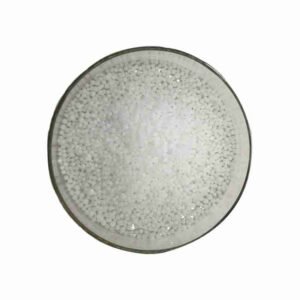
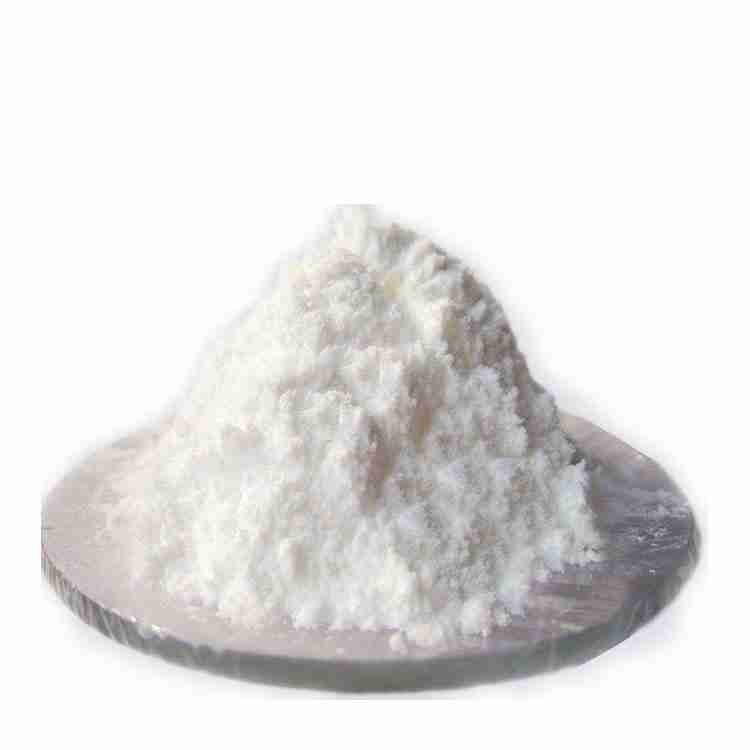
form Crystalline Powder
color White to creamy
Odor at 100.00 %. odorless
Odor Type odorless
Water Solubility Slightly soluble in water, dilute hydrochloric acid and formic acid. Insoluble in ethanol.
Merck 14,5464
BRN 2215169
Stability: Stable. Incompatible with strong oxidizing agents. Light and air sensitive.
InChIKey WTDRDQBEARUVNC-LURJTMIESA-N
LogP -1.154 (est)
CAS DataBase Reference 59-92-7(CAS DataBase Reference)
NIST Chemistry Reference Levodopa(59-92-7)
EPA Substance Registry System Levodopa (59-92-7)
Safety Information
Hazard Codes Xn
Risk Statements 22-36/37/38-20/21/22
Safety Statements 26-36-24/25
WGK Germany 3
RTECS AY5600000
F 10-23
TSCA Yes
HS Code 29225090
Hazardous Substances Data 59-92-7(Hazardous Substances Data)
Toxicity LD50 in mice (mg/kg): 3650 ??327 orally, 1140 ??66 i.p., 450 ??42 i.v., >400 s.c.; in male, female rats (mg/kg): >3000, >3000 orally; 624, 663 i.p.; >1500, >1500 s.c. (Clark)

Related Tags

Request a Sample or Quote

Interested in
Levodopa CAS#59-92-7?

Fill in the form and our team will respond within 24 hours with product samples, full certification documents (COA/MSDS), and a competitive price quote.

Submitting...

By submitting this form you agree to be contacted by BuyChemic regarding your inquiry. We respect your privacy and will never share your information.

Related Products

You may also be interested in these products

hexyl D-glucoside CAS#54549-24-5

Hexyl D-glucoside is a non-ionic, plant-based surfactant derived from renewable resources such as corn or potato starch. It is recognized for its excellent skin compatibility and mildness, making it a preferred choice for formulations in personal care products, especially those targeting sensitive skin. With its superior solubilizing and foaming capabilities, it enhances the sensory experience of the product without compromising its gentleness. Its eco-friendly profile and biodegradability also align with green chemistry principles, appealing to consumers seeking sustainable product options.

View Details

Silicone oil CAS#63148-62-9

Silicone oil, known for its chemical designation as dimethicone or polydimethylsiloxane, is a synthetic polymer with a backbone of alternating silicon and oxygen atoms, creating a highly versatile and stable compound. It is renowned for its exceptional lubricating properties, heat resistance, and non-toxic nature, making it a staple in various industries, including cosmetics, automotive, and aerospace. This hydrophobic, non-volatile oil is valued for its ability to provide a smooth, non-greasy feel and to form stable emulsions with other ingredients. In personal care products, silicone oil is used to impart a silky texture, reduce friction on the skin, and create a protective barrier against environmental stressors without clogging pores. Silicone oil's chemical inertness and resistance to oxidation contribute to its long shelf life and stability in formulations. It is also appreciated for its compatibility with a wide range of substances, allowing for the creation of multifunctional products. <p class="last-node">In summary, silicone oil is a reliable and multifaceted ingredient, offering a combination of performance, safety, and sensory benefits. Its use in a variety of applications reflects its versatility and enduring appeal in the marketplace.</p>

View Details

Polyacrylamide CAS#9003-05-8

Polyacrylamide is a high molecular weight polymer with the repeat unit ( -CH_2-CH(OH)CONH- ). It is renowned for its excellent water solubility and gel-forming properties. Commonly used in water treatment, papermaking, and as a thickening agent in various industries, it also plays a crucial role in fields like biomedicine and environmental engineering due to its high viscosity and flocculation capabilities.  

View Details