N,N-Dimethylaniline CAS#121-69-7
In Stock · Ready to Ship

Certifications & Standards

FDAEUISOGMPHACCPKosherHalal

N,N-Dimethylaniline CAS#121-69-7

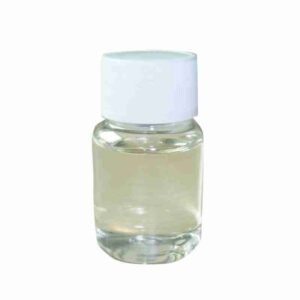
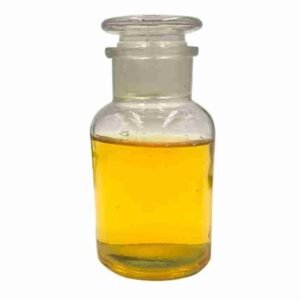
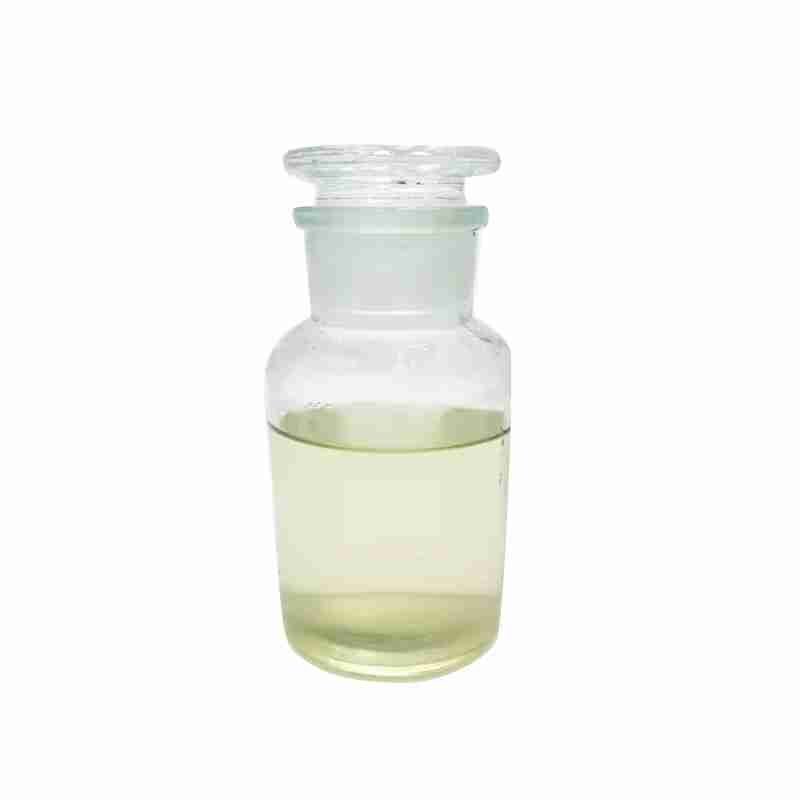
N,N-Dimethylaniline is an organic compound with amine and methyl groups attached to a benzene ring. It is a colorless liquid with a characteristic amine odor. This compound is primarily used as a chemical intermediate in the synthesis of dyes, pigments, and polymers. Its reactivity makes it a valuable building block in the production of various organic compounds, particularly in the pharmaceutical and chemical industries.

Product Specifications

Contact us for detailed specifications
Certified Quality
48hr Sample Dispatch
COA & MSDS Provided

Product Description

N,N-Dimethylaniline is an organic compound with amine and methyl groups attached to a benzene ring. It is a colorless liquid with a characteristic amine odor. This compound is primarily used as a chemical intermediate in the synthesis of dyes, pigments, and polymers. Its reactivity makes it a valuable building block in the production of various organic compounds, particularly in the pharmaceutical and chemical industries.

Description

N,N-Dimethylaniline CAS#121-69-7

N,N-Dimethylaniline Chemical Properties
Melting point 1.5-2.5 ??C (lit.)
Boiling point 193-194 ??C (lit.)
density 0.956 g/mL at 25 ??C (lit.)
vapor density 3 (vs air)
vapor pressure 2 mm Hg ( 25 ??C)
refractive index n20/D?1.557(lit.)
Fp 158???F
storage temp. Store below +30??C.
solubility 1.2g/l
form Liquid
pka 5.15(at 25??)
color Clear yellow
Relative polarity 0.179
PH 7.4 (1.2g/l, H2O, 20??)
explosive limit 1.2-7%(V)
Water Solubility 1 g/L (20 oC)
Merck 14,3234
BRN 507140
Henry’s Law Constant 4.98(x 10-6?atm?m3/mol) at 20 ??C (approximate – calculated from water solubility and vapor pressure)
Exposure limits NIOSH REL: TWA 5 ppm (25 mg/m3), STEL 10 ppm (50 mg/m3), IDLH 100 ppm; OSHA PEL: TWA 5 ppm; ACGIH TLV: TWA 5 ppm, STEL 10 ppm (adopted).
Dielectric constant 4.4000000000000004
Stability: Stable. Incompatible with strong oxidizing agents, strong acids, acid chlorides, acid anhydrides, chloroformates, halogens. Combustible.
InChIKey JLTDJTHDQAWBAV-UHFFFAOYSA-N
LogP 1.171 at 35??
CAS DataBase Reference 121-69-7(CAS DataBase Reference)
NIST Chemistry Reference Benzenamine, N,N-dimethyl-(121-69-7)
IARC 3 (Vol. 57) 1993
EPA Substance Registry System N,N-Dimethylaniline (121-69-7)

Related Tags

Request a Sample or Quote

Interested in
N,N-Dimethylaniline CAS#121-69-7?

Fill in the form and our team will respond within 24 hours with product samples, full certification documents (COA/MSDS), and a competitive price quote.

Submitting...

By submitting this form you agree to be contacted by BuyChemic regarding your inquiry. We respect your privacy and will never share your information.

Related Products

You may also be interested in these products

Sodium Aluminosilicate CAS #73987-94-7

Sodium aluminosilicate (CAS No.73987-94-7) is an inorganic compound. It has a certain application in industry. For example, in the ceramic industry, sodium aluminosilicate can be used as a flux and an ingredient in ceramic glazes, helping to improve the performance and appearance of ceramics. In some chemical processes, it may also function as a precipitating agent or an additive. In the field of materials science, the properties and structural characteristics of sodium aluminosilicate make it have potential application value in the research and development of some new materials.

View Details

Decyl glucoside CAS#68515-73-1

Decyl glucoside, scientifically known as ??-D-Glucopyranoside, is a non-ionic surfactant derived from renewable resources, such as glucose and fatty alcohols. It is a biodegradable and mild alternative to traditional surfactants, making it a preferred choice for eco-friendly and sensitive skin formulations. This compound is characterized by its ability to form stable emulsions and foams, which are essential properties in a variety of applications, including personal care products and household cleaning agents. Decyl glucoside is valued for its low irritation potential and excellent skin compatibility, making it suitable for use in baby care and cosmetic products. Chemically, decyl glucoside features a hydrophilic head and a hydrophobic tail, allowing it to effectively reduce surface tension and solubilize oils in water. Its mildness and biodegradability contribute to its use in formulations that require gentle cleansing without compromising the integrity of the skin's natural barrier. <p class="last-node">In summary, decyl glucoside is a versatile and sustainable surfactant that offers a balance of performance and safety. Its eco-friendly profile and compatibility with sensitive skin types make it an ideal ingredient for a wide range of personal care and cleaning products.</p>

View Details

2-Hydroxyethylurea CAS# 2078-71-9

Hydroxyethyl urea is a good moisturizer and is widely used in cosmetic moisturizing products. It has a similar effect to glycerin, but compared with glycerin, the moisturizing effect of hydroxyethyl urea is more significant. Its main characteristics are to provide moisturizing functions for skin care products without a sticky feel. At the same time, it can increase skin elasticity and replenish skin moisture. It has good compatibility with various skin care raw materials, is gentle and non-irritating. Hydroxyethyl urea also has a high cost performance. Compared with expensive moisturizers, hydroxyethyl urea can achieve the same effect at a lower formulation cost.

View Details