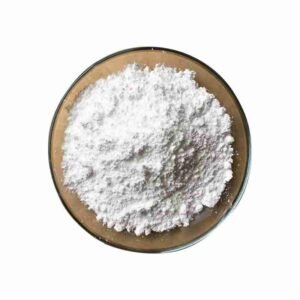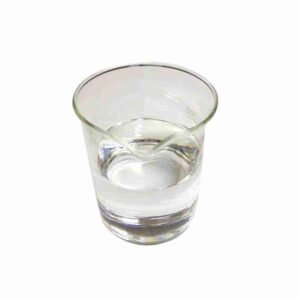
Decyl glucoside CAS#68515-73-1
In Stock · Ready to Ship

Certifications & Standards

FDAEUISOGMPHACCPKosherHalal

Decyl glucoside CAS#68515-73-1

Decyl glucoside, scientifically known as ??-D-Glucopyranoside, is a non-ionic surfactant derived from renewable resources, such as glucose and fatty alcohols. It is a biodegradable and mild alternative to traditional surfactants, making it a preferred choice for eco-friendly and sensitive skin formulations. This compound is characterized by its ability to form stable emulsions and foams, which are essential properties in a variety of applications, including personal care products and household cleaning agents. Decyl glucoside is valued for its low irritation potential and excellent skin compatibility, making it suitable for use in baby care and cosmetic products. Chemically, decyl glucoside features a hydrophilic head and a hydrophobic tail, allowing it to effectively reduce surface tension and solubilize oils in water. Its mildness and biodegradability contribute to its use in formulations that require gentle cleansing without compromising the integrity of the skin's natural barrier. <p class="last-node">In summary, decyl glucoside is a versatile and sustainable surfactant that offers a balance of performance and safety. Its eco-friendly profile and compatibility with sensitive skin types make it an ideal ingredient for a wide range of personal care and cleaning products.</p>

Product Specifications

Contact us for detailed specifications
Certified Quality
48hr Sample Dispatch
COA & MSDS Provided

Product Description

Decyl glucoside, scientifically known as ??-D-Glucopyranoside, is a non-ionic surfactant derived from renewable resources, such as glucose and fatty alcohols. It is a biodegradable and mild alternative to traditional surfactants, making it a preferred choice for eco-friendly and sensitive skin formulations.

This compound is characterized by its ability to form stable emulsions and foams, which are essential properties in a variety of applications, including personal care products and household cleaning agents. Decyl glucoside is valued for its low irritation potential and excellent skin compatibility, making it suitable for use in baby care and cosmetic products.

Chemically, decyl glucoside features a hydrophilic head and a hydrophobic tail, allowing it to effectively reduce surface tension and solubilize oils in water. Its mildness and biodegradability contribute to its use in formulations that require gentle cleansing without compromising the integrity of the skin’s natural barrier.

In summary, decyl glucoside is a versatile and sustainable surfactant that offers a balance of performance and safety. Its eco-friendly profile and compatibility with sensitive skin types make it an ideal ingredient for a wide range of personal care and cleaning products.

Description

Decyl glucoside Chemical Properties
density 1.15 g/mL at 20 ??C
form liquid
InChI InChI=1/C16H32O6/c1-2-3-4-5-6-7-8-9-10-21-16-15(20)14(19)13(18)12(11-17)22-16/h12-20H,2-11H2,1H3/t12-,13-,14+,15-,16?/s3
InChIKey JDRSMPFHFNXQRB-TVHDANIINA-N
SMILES O(CCCCCCCCCC)C1O[C@H](CO)[C@@H](O)[C@H](O)[C@H]1O |&1:13,16,18,20,r|
EPA Substance Registry System Oligomeric D-glucopyranose decyl octyl glycosides (68515-73-1)
Decyl glucoside Usage And Synthesis
Uses Triton??CG-110 can be used:

  • In the preparation of multilamellar vesicles as carriers for tretinoins and retinoids.
  • In the study of mineralization, leaching, and adsorption of glyphosate herbicide in the soil.
Uses Decyl Glucoside is a nonionic surfactant used as a foamer, detergent, conditioner or emulsifier. It can be used as a base surfactant or co-surfactant in detergents. It has excellent foaming ability and good skin compatibility. It can be combined with other glucosides using to enhance foaming and skin conditioning properties. It can also be utilised in ionic formulations in order to increase foam depth and emulsification properties. Commonly used in shampoos and body washes.
General Description This product is a biodegradable surfactant and is aligned with the 10th principle of Green Chemistry “Design for Degradation”.
Contact allergens Decyl glucoside or decyl d-glucoside, also named decylbeta- d-glucopyranoside, belongs to the alkyl glucosides family and is obtained by condensation of the fatty alcohol decyl alcohol and a d-glucose polymer. This nonionic surfactant and cleansing agent has been widely used for several years, due to its foaming power and good tolerance in rinse-off products such as shampoos, hair dyes and colors, and soaps. Decyl glucoside is also employed in leave-on products such as no-rinsing cleansing milks, lotions, and several sunscreen agents and is contained as a stabilizing surfactant of organic microparticles in sunscreen agent Tinosorb? M.
Side effects The Cosmetic Ingredient Review expert panel, or the CIR, deemed Decyl glucoside is completely safe for use, amongst its assessment of nineteen other alkyl glucosides. However, in rare cases, when the individual is hypersensitive towards decyl glucoside, there could be irritation, redness, itching, or burning on the skin. In some cases, this results in contact dermatitis, when the individual has type-4 hypersensitivity to decyl glucoside.
Synthesis Decyl glucosides (DGs) were prepared from D-glucose with 1-decanol by direct glucosidation over the zeolite catalysts. D-glucose (2.5 g) and 1-decanol (50 mL) were introduced as the reactants. The reactants were put into the reactor with the zeolite catalyst. The reaction was carried out directly in the reactor, stirring at 130 ??[1].
References [1] Kyong-Hwan Chung. ??Decyl Glucoside Synthesized by Direct Glucosidation of D-Glucose Over Zeolite Catalysts and Its Estrogenicity as Non-Endocrine Disruptive Surfactant.?? Journal of nanoscience and nanotechnology 19 2 (2019): 1172?C1175.

Related Tags

Request a Sample or Quote

Interested in
Decyl glucoside CAS#68515-73-1?

Fill in the form and our team will respond within 24 hours with product samples, full certification documents (COA/MSDS), and a competitive price quote.

Submitting...

By submitting this form you agree to be contacted by BuyChemic regarding your inquiry. We respect your privacy and will never share your information.

Related Products

You may also be interested in these products

Silicone oil CAS#63148-62-9

Silicone oil, known for its chemical designation as dimethicone or polydimethylsiloxane, is a synthetic polymer with a backbone of alternating silicon and oxygen atoms, creating a highly versatile and stable compound. It is renowned for its exceptional lubricating properties, heat resistance, and non-toxic nature, making it a staple in various industries, including cosmetics, automotive, and aerospace. This hydrophobic, non-volatile oil is valued for its ability to provide a smooth, non-greasy feel and to form stable emulsions with other ingredients. In personal care products, silicone oil is used to impart a silky texture, reduce friction on the skin, and create a protective barrier against environmental stressors without clogging pores. Silicone oil's chemical inertness and resistance to oxidation contribute to its long shelf life and stability in formulations. It is also appreciated for its compatibility with a wide range of substances, allowing for the creation of multifunctional products. <p class="last-node">In summary, silicone oil is a reliable and multifaceted ingredient, offering a combination of performance, safety, and sensory benefits. Its use in a variety of applications reflects its versatility and enduring appeal in the marketplace.</p>

View Details

Lauryl glucoside CAS#110615-47-9

Lauryl Glucoside is an eco-conscious non-ionic surfactant, derived from sustainable lauric acid and glucose. It offers superior mildness and biodegradability, making it an ideal choice for formulating gentle and effective cleaning agents in personal care and household products. Its bio-based nature aligns with the growing demand for green chemistry solutions.

View Details

AMBERLITE XAD-16 CAS#104219-63-8

AMBERLITE XAD-16 is a nonionic, hydrophobic, cross-linked polymeric adsorbent supplied as insoluble white beads. It is characterized by its macroreticular structure, which provides both a continuous polymer phase and a continuous pore phase, offering high surface area and porosity . This adsorbent is specifically designed to capture hydrophobic molecules from polar solvents and volatile organic compounds from vapor streams . It is ideal for use in column or batch operations and is effective for the adsorption of organic substances with relatively low to medium molecular weight . The product is widely utilized in applications such as the purification of antibiotics, recovery of water-soluble steroids, amino acids, and proteins, as well as the removal of nonpolar compounds from polar solvents .

View Details