Climbazole CAS#38083-17-9
In Stock · Ready to Ship

Certifications & Standards

FDAEUISOGMPHACCPKosherHalal

Climbazole CAS#38083-17-9

Climbazole is an efficacious antifungal agent widely utilized in pharmaceutical formulations for treating seborrheic dermatitis and dandruff. Its targeted action against fungal proliferation makes it an essential component in dermatological care products.

Product Specifications

Contact us for detailed specifications
Certified Quality
48hr Sample Dispatch
COA & MSDS Provided

Product Description

Climbazole is an efficacious antifungal agent widely utilized in pharmaceutical formulations for treating seborrheic dermatitis and dandruff. Its targeted action against fungal proliferation makes it an essential component in dermatological care products.

Description

Climbazole Chemical Properties
Melting point 96-100??C
Boiling point 447.5??40.0 ??C(Predicted)
density 1.17??0.1 g/cm3(Predicted)
vapor pressure 0.001Pa at 25??
refractive index 1.54
storage temp. Inert atmosphere,Room Temperature
solubility Insoluble in water
form Solid
pka 5.66??0.22(Predicted)
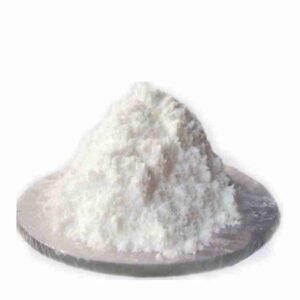
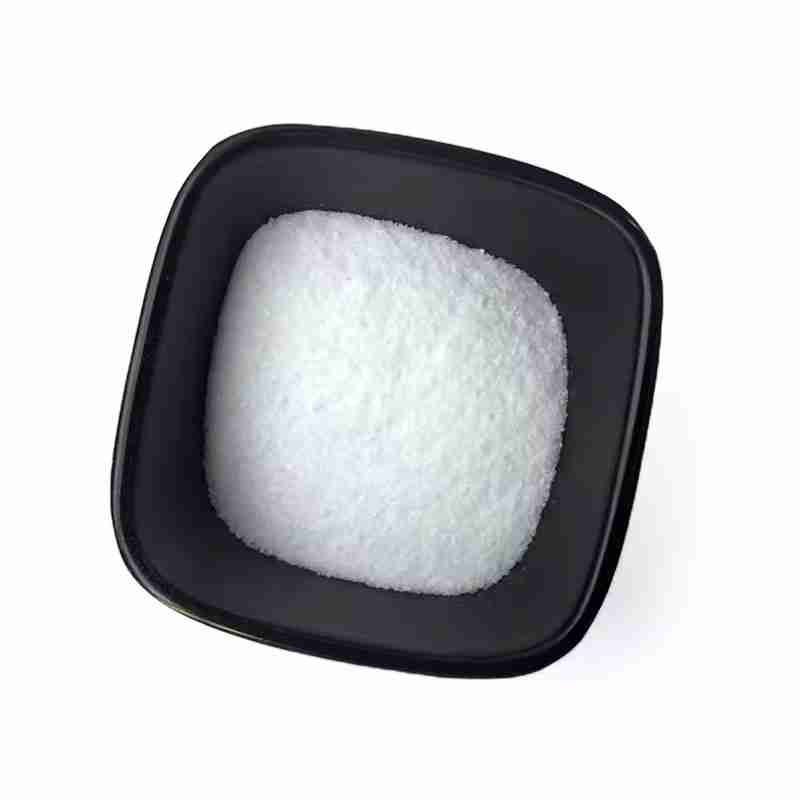
color White to Almost white
Water Solubility 58mg/L at 25??
BRN 618020
InChIKey OWEGWHBOCFMBLP-UHFFFAOYSA-N
LogP 3.83 at 25??
CAS DataBase Reference 38083-17-9(CAS DataBase Reference)
Safety Information
Hazard Codes Xn,N
Risk Statements 22-50/53
Safety Statements 60-61
RIDADR UN 3077
WGK Germany 3
RTECS EL7085000
HS Code 29332900

Related Tags

Request a Sample or Quote

Interested in
Climbazole CAS#38083-17-9?

Fill in the form and our team will respond within 24 hours with product samples, full certification documents (COA/MSDS), and a competitive price quote.

Submitting...

By submitting this form you agree to be contacted by BuyChemic regarding your inquiry. We respect your privacy and will never share your information.

Related Products

You may also be interested in these products

Polyhexamethyleneguanidine hydrochloride CAS#57028-96-3

Polyhexamethylene guanidine hydrochloride, often abbreviated as PHMG-HCl, is a high molecular weight polymeric biguanide compound known for its potent antimicrobial properties. With a chemical structure that features a long chain of methylene groups bridged by guanidine units, PHMG-HCl is effective against a broad spectrum of microorganisms, including bacteria, viruses, and fungi. This hydrochloride salt form of PHMG is highly soluble in water and is commonly used in various applications due to its non-irritant and non-toxic nature to human skin and mucous membranes. It is widely recognized for its ability to form a colorless and odorless solution, making it an ideal choice for use in personal care products, medical disinfectants, and water treatment processes. The versatility of PHMG-HCl lies in its cationic nature, which allows it to bind to negatively charged microbial cell walls, disrupting their integrity and leading to cell death. This mechanism of action contributes to its effectiveness as a preservative and disinfectant. Moreover, its substantivity, or the ability to adhere to surfaces, enhances its long-lasting antimicrobial activity. <p class="last-node">In summary, Polyhexamethylene guanidine hydrochloride is a reliable and efficient antimicrobial agent, pivotal in industries where hygiene and cleanliness are paramount, offering a safe and sustainable solution for microbial control.</p>

View Details

Lauramidopropyl betaine CAS#4292-10-8

Lauramidopropyl betaine is a mild, biodegradable surfactant commonly used in personal care products and cleaning formulations. It is derived from coconut oil and is known for its foaming and wetting properties, making it ideal for creating rich lathers. This ingredient is particularly favored for its gentleness on the skin and its ability to cleanse without causing irritation, making it suitable for sensitive skin types. It also contributes to the product's viscosity and stability.

View Details

Vitamin A Palmitate CAS# 79-81-2

Vitamin A ester derivatives mainly refer to its alkyl acid esters, such as vitamin A acetate, vitamin A palmitate, etc. Due to the instability of vitamin A, commercial vitamin A is available in the form of its ester. However, vitamin A acetate easily absorbs water and gets damp, while vitamin A palmitate is more stable than vitamin A acetate. Vitamin A, commonly known as retinol, is an unsaturated monohydric alcohol with an ester ring. It is a yellow flaky crystal or crystalline powder. It is a fat-soluble vitamin. It is insoluble in water and glycerol, and soluble in alcohol, ether, hydrocarbon, Most organic solvents such as halogenated hydrocarbons. Retinol palmitate is an ester of retinol combined with palmitic acid, a saturated fatty acid that is the main component of palm oil. Retinyl palmitate is easily absorbed by the skin and then converted into retinol. It is a yellow or yellow-red solid or oily substance.

View Details