Lauramidopropyl betaine CAS#4292-10-8
In Stock · Ready to Ship

Certifications & Standards

FDAEUISOGMPHACCPKosherHalal

Lauramidopropyl betaine CAS#4292-10-8

Lauramidopropyl betaine is a mild, biodegradable surfactant commonly used in personal care products and cleaning formulations. It is derived from coconut oil and is known for its foaming and wetting properties, making it ideal for creating rich lathers. This ingredient is particularly favored for its gentleness on the skin and its ability to cleanse without causing irritation, making it suitable for sensitive skin types. It also contributes to the product's viscosity and stability.

Product Specifications

Contact us for detailed specifications
Certified Quality
48hr Sample Dispatch
COA & MSDS Provided

Product Description

Lauramidopropyl betaine is a mild, biodegradable surfactant commonly used in personal care products and cleaning formulations. It is derived from coconut oil and is known for its foaming and wetting properties, making it ideal for creating rich lathers. This ingredient is particularly favored for its gentleness on the skin and its ability to cleanse without causing irritation, making it suitable for sensitive skin types. It also contributes to the product’s viscosity and stability.

Description

Lauramidopropyl betaine Chemical Properties
Melting point >128??C (dec.)
density 1.15[at 20??]
vapor pressure 0.31Pa at 20??
storage temp. Hygroscopic, -20??C Freezer, Under inert atmosphere
solubility Chloroform (Slightly), Methanol (Slightly)
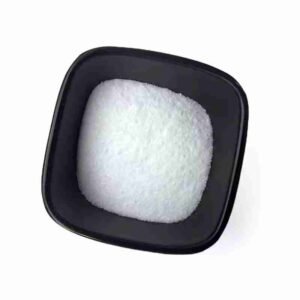
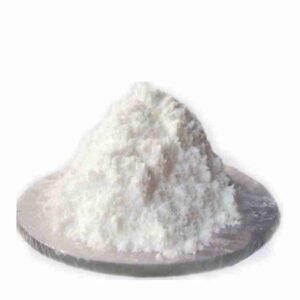
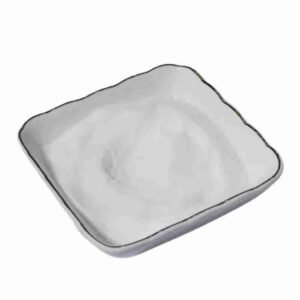
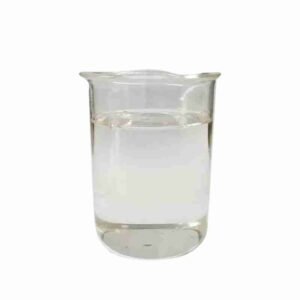
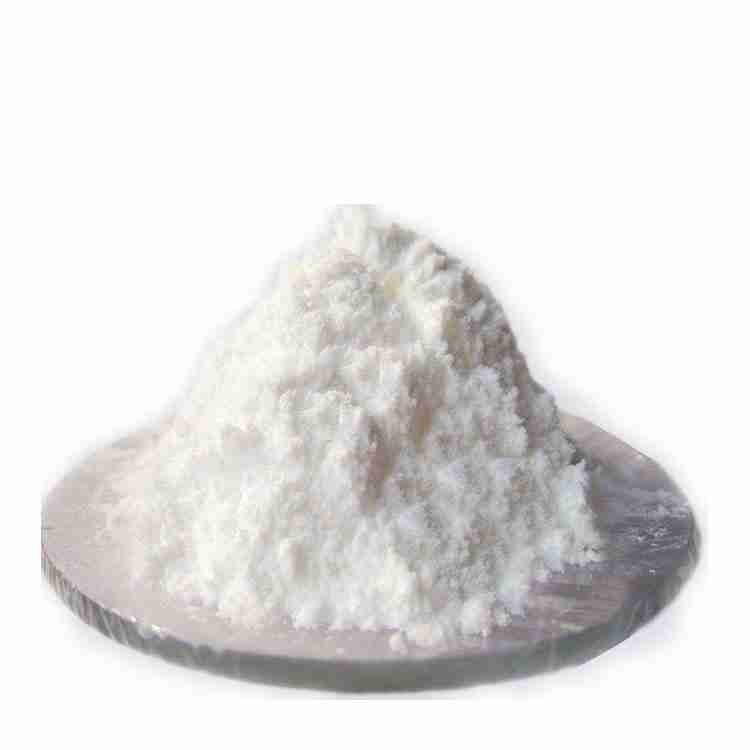
form Solid
color White to Off-White
Water Solubility 250mg/L at 20??
Stability: Hygroscopic
LogP 3.54 at 20??
EPA Substance Registry System 1-Propanaminium, N-(carboxymethyl)-N,N-dimethyl-3-[(1-oxododecyl)amino]-, inner salt (4292-10-8)
Safety Information
MSDS Information
Lauramidopropyl betaine Usage And Synthesis
Description Lauramidopropyl betaine is a new type of special amphoteric surfactant, which belongs to the same series as lauramidopropyl betaine, and is a modified derivative of alkyl betaine. Lauramidopropyl betaine has the characteristics of temperature resistance, acid and alkali resistance, good salt resistance, wide isoelectric point and strong viscoelasticity, etc. It is widely used in oil field oil repelling, leather, daily chemical industry and other fields. As a good viscoelastic surfactant applied to the substrate acidification of oilfield, it can effectively reduce the oil/water interfacial tension and improve the recovery rate of tertiary oil recovery. Also it can be used as conditioning agent, wetting agent, bactericide, antistatic agent, emulsifier, thickener and in self-steering acid system for carbonate acidification.
Uses Lauroylamide Propylbetaine is used cosmetic and hair compositions of enhanced viscosity and clarity.
Flammability and Explosibility Not classified
Toxicology Lauramidopropyl betaine (50% component in cocamidopropyl betaine – as a model for cocamidopropyl betaine) is poorly absorbed from the intestinal tract and through the skin. Rinsing the skin after 10 minutes of contact reduces the absorption even further. Following oral or dermal exposure, there is metabolism of the absorbed material, as indicated by the appearance of a more polar compound in the urine and by the liberation of?14CO2.
Request a Sample or Quote

Interested in
Lauramidopropyl betaine CAS#4292-10-8?

Fill in the form and our team will respond within 24 hours with product samples, full certification documents (COA/MSDS), and a competitive price quote.

Submitting...

By submitting this form you agree to be contacted by BuyChemic regarding your inquiry. We respect your privacy and will never share your information.

Related Products

You may also be interested in these products

POLYETHYLENE, CHLORINATED CAS#63231-66-3

Polyethylene, chlorinated, also known as chlorinated polyethylene (CPE), is a versatile polymer derived from the chlorination of high-density polyethylene. It offers enhanced properties such as improved chemical resistance, flame retardancy, and UV stability compared to its non-chlorinated counterpart. CPE is widely used in applications requiring durability and resistance to environmental factors, including wire and cable insulation, coatings, and adhesives. Its flexibility and processability make it a preferred choice in the manufacturing of various industrial products.

View Details

hexyl D-glucoside CAS#54549-24-5

Hexyl D-glucoside is a non-ionic, plant-based surfactant derived from renewable resources such as corn or potato starch. It is recognized for its excellent skin compatibility and mildness, making it a preferred choice for formulations in personal care products, especially those targeting sensitive skin. With its superior solubilizing and foaming capabilities, it enhances the sensory experience of the product without compromising its gentleness. Its eco-friendly profile and biodegradability also align with green chemistry principles, appealing to consumers seeking sustainable product options.

View Details

Decyl glucoside CAS#68515-73-1

Decyl Glucoside is an eco-friendly, non-ionic surfactant derived from renewable resources. Renowned for its mildness and biodegradability, it is ideal for creating gentle, high-performing cleaning agents in personal care and household products. Its sustainable and effective nature makes it a preferred choice for green formulations.

View Details