Polyglutamic Acid CAS# 25513-46-6
In Stock · Ready to Ship

Certifications & Standards

FDAEUISOGMPHACCPKosherHalal

Polyglutamic Acid CAS# 25513-46-6

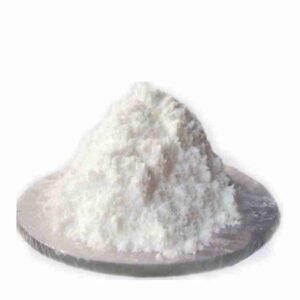
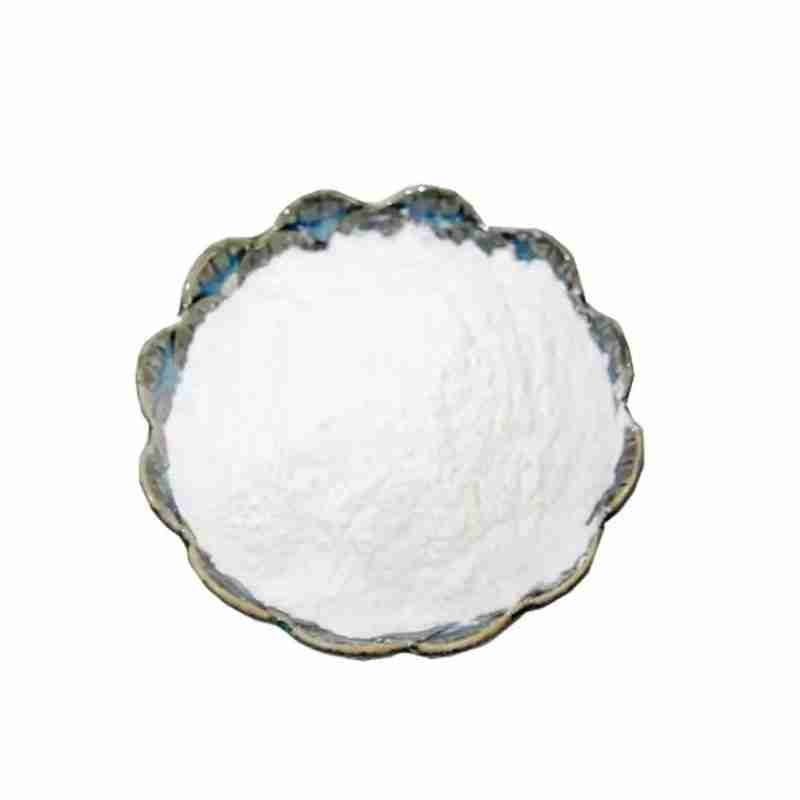
Polyglutamic acid (y-PGA), also known as natto gum, is a high molecular peptide polymer synthesized from several glutamic acid monomers through microbial fermentation. It is rich in glutamic acid, glucose, protein and minerals. , vitamins and other biologically active substances. Polyglutamic acid (??-PGA) is a sticky substance that was first discovered in ??Natto??. It is currently widely used in agricultural production and is called a new biostimulant. It is fully water-soluble, biodegradable, edible, and non-toxic. It is a biopolymer produced by microbial fermentation.

Product Specifications

Contact us for detailed specifications
Certified Quality
48hr Sample Dispatch
COA & MSDS Provided

Product Description

Polyglutamic acid (y-PGA), also known as natto gum, is a high molecular peptide polymer synthesized from several glutamic acid monomers through microbial fermentation. It is rich in glutamic acid, glucose, protein and minerals. , vitamins and other biologically active substances.

Polyglutamic acid (??-PGA) is a sticky substance that was first discovered in ??Natto??. It is currently widely used in agricultural production and is called a new biostimulant. It is fully water-soluble, biodegradable, edible, and non-toxic. It is a biopolymer produced by microbial fermentation.

Description

Polyglutamic Acid CAS# 25513-46-6

Polyglutamic acid Basic information
Product Name: Polyglutamic acid
Synonyms: POLY-L-GLUTAMIC ACID 15’000-50’000 SODIUM SALT;POLY-L-GLUTAMIC ACID 2’000-15’000;POLY-L-GLUTAMIC ACID 50’000-100’000 SODIUM SALT;L-GLU-(L-GLU)N-L-GLU;glutamicacidpolymer;POLY-L;gamma-poly(L-glutamic acid) macromolecule;G-poly glutamic acid
CAS: 25513-46-6
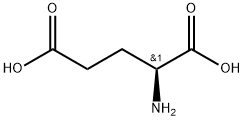
MF: C5H9NO4
MW: 147.13
EINECS: 200-293-7
Product Categories: Amino Acids;Homopolymers;Polyamino Acids;25513-46-6
Mol File: 25513-46-6.mol
Polyglutamic acid Structure
Polyglutamic acid Chemical Properties
storage temp. ?20??C
InChI InChI=1/C5H9NO4/c6-3(5(9)10)1-2-4(7)8/h3H,1-2,6H2,(H,7,8)(H,9,10)/t3-/s3
InChIKey WHUUTDBJXJRKMK-ZJPLZJKBNA-N
SMILES [C@@H](N)(C(=O)O)CCC(=O)O |&1:0,r|
Safety Information
WGK Germany 3
RTECS MA1700000
F 3-10

Related Tags

Request a Sample or Quote

Interested in
Polyglutamic Acid CAS# 25513-46-6?

Fill in the form and our team will respond within 24 hours with product samples, full certification documents (COA/MSDS), and a competitive price quote.

Submitting...

By submitting this form you agree to be contacted by BuyChemic regarding your inquiry. We respect your privacy and will never share your information.

Related Products

You may also be interested in these products

Arbutin CAS#497-76-7

Arbutin, a derivative of hydroquinone, is a naturally occurring compound extracted primarily from the bearberry plant (Arctostaphylos uva-ursi). It is renowned in the skincare industry for its skin lightening properties, making it a popular ingredient in cosmetic products designed to reduce hyperpigmentation and even out skin tone. Chemically, arbutin is ??-glucosiduronic acid of hydroquinone, with the molecular formula C12H12O7. Its mechanism of action involves the inhibition of tyrosinase, a key enzyme in the melanin biosynthesis pathway. By reducing melanin production, arbutin effectively lightens the skin without the risk of irritation often associated with hydroquinone. Arbutin is valued for its safety profile, as it is considered less irritating and more stable compared to other skin lightening agents. It is also known for its antioxidant properties, which contribute to its skin brightening effects and overall skin health benefits. <p class="last-node">In summary, arbutin is a reliable and gentle alternative for skin lightening, offering a natural approach to reducing pigmentation issues while promoting a more radiant and even complexion. Its use in skincare formulations is favored for its efficacy and mildness, making it suitable for various skin types.</p>

View Details

Benzyl alcohol CAS#100-51-6

Benzyl alcohol is an aromatic alcohol with the chemical formula ( C_7H_8O ). It is a colorless liquid known for its distinctive floral odor and is used as a fragrance component in cosmetics and perfumes. Additionally, it serves as a solvent in the pharmaceutical industry and as a preservative in various products due to its antimicrobial properties.

View Details

Hydrogenated Lecithin CAS #92128-87-5

Hydrogenated lecithin is light yellow or milky white powder. Due to the use of catalysis and hydrogenation processes, the unsaturated chains of unsaturated fatty acids in the molecular structure of soybean lecithin disappear, thereby greatly improving the chemical stability, dispersibility, and emulsification of lecithin. It has decolorization and deodorization effects, which is more conducive to storage and preservation, and improves its role in medicine, high-end cosmetics, and light industry. It is especially suitable for intravenous fat emulsifiers and nutrients. It is used as a blood lipid emulsifier to prevent arteriosclerosis, and has the advantages of being easy to digest, easy to absorb, and almost not remaining in the internal organs.

View Details