Patchouli Oil CAS# 8014-09-3
In Stock · Ready to Ship

Certifications & Standards

FDAEUISOGMPHACCPKosherHalal

Patchouli Oil CAS# 8014-09-3

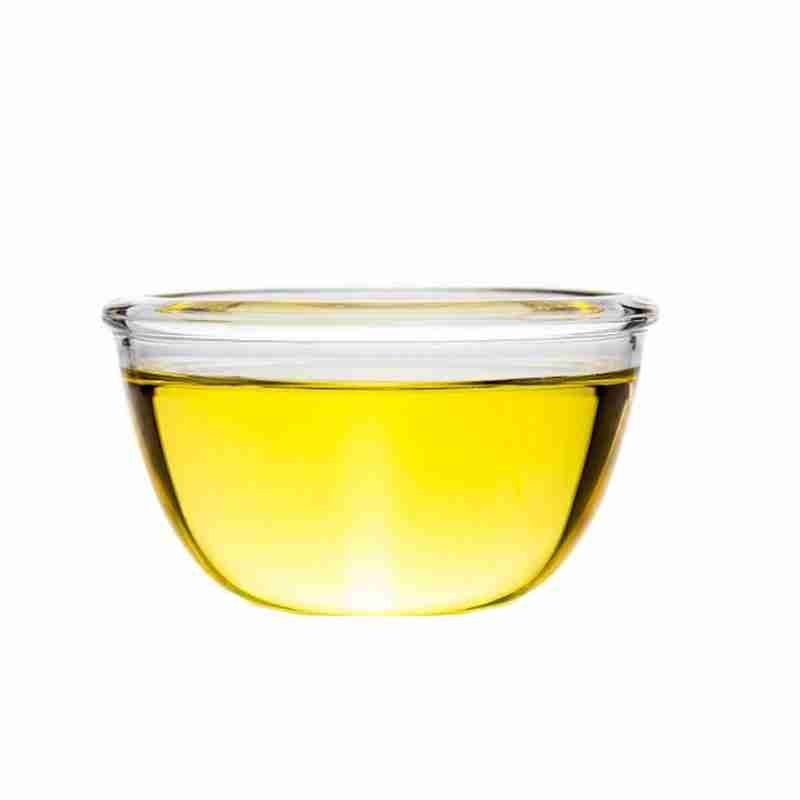
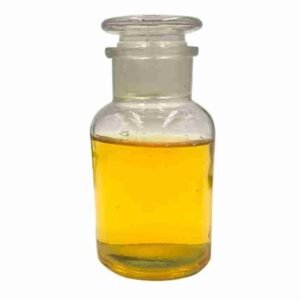
Pogostemon cablin (Blanco) Benth Made from dried leaves. It is a viscous liquid ranging from reddish brown to greenish brown, with a unique, slightly camphor like woody fragrance.The patchouli shrub is mainly planted in Indonesia. It grows up to 1 meter, but when harvested, it will be cut to 10-15 centimeters. It is best to extract oil from sun dried leaves, with a yield of about 2%.The three terpenoids found in patchouli oil, namely caryophyllene, patchouli alcohol or patchouli alcohol, and nopachenol, are the typical sources of patchouli fragrance. Thin layer chromatography and high performance liquid chromatography are used to identify potential chemical markers for evaluating the quality of the Chinese herbal medicine ingredient ??patchouli herb?? (aboveground part of patchouli). In addition to the reported patchouli alcohol and 2-hydroxy-6-methyl-3- (4-methylpentanoyl) -4-pyranone, three phenylethane compounds (acteoside, isoacteoside, and crenatoside) were also isolated from this plant material for the first time.

Product Specifications

Contact us for detailed specifications
Certified Quality
48hr Sample Dispatch
COA & MSDS Provided

Product Description

Pogostemon cablin (Blanco) Benth Made from dried leaves. It is a viscous liquid ranging from reddish brown to greenish brown, with a unique, slightly camphor like woody fragrance.The patchouli shrub is mainly planted in Indonesia. It grows up to 1 meter, but when harvested, it will be cut to 10-15 centimeters. It is best to extract oil from sun dried leaves, with a yield of about 2%.The three terpenoids found in patchouli oil, namely caryophyllene, patchouli alcohol or patchouli alcohol, and nopachenol, are the typical sources of patchouli fragrance. Thin layer chromatography and high performance liquid chromatography are used to identify potential chemical markers for evaluating the quality of the Chinese herbal medicine ingredient ??patchouli herb?? (aboveground part of patchouli). In addition to the reported patchouli alcohol and 2-hydroxy-6-methyl-3- (4-methylpentanoyl) -4-pyranone, three phenylethane compounds (acteoside, isoacteoside, and crenatoside) were also isolated from this plant material for the first time.
Description

Patchouli Oil CAS# 8014-09-3

Patchouli oil Basic information
Chemical constituents?pharmacology
Product Name: Patchouli oil
Synonyms: FEMA 2838;PATCHOULI;PATCHOULY OIL;OIL, PATCHOULY;OIL OF PATCHOULI;OIL OF PATCHOULY;Oils,patchouli;Patchoulioildistilled
CAS: 8014-093
MF:
MW: 0
EINECS: 282-493-4
Product Categories:
Mol File: Mol File
Patchouli oil Chemical Properties
Boiling point 287???C(lit.)
density 0.963?g/mL?at 25???C(lit.)
FEMA 2838 | PATCHOULY OIL
refractive index n20/D?1.509(lit.)
Fp 230???F
Odor at 100.00 %. sweet herbal spicy woody fruity
Odor Type woody
CAS DataBase Reference 8014-09-3
EPA Substance Registry System Oils, patchouli (8014-09-3)
Safety Information
WGK Germany 3
RTECS RW7126400
Toxicity LD50 orl-rat: >5 g/kg FCTOD7 20,791,82

Related Tags

Request a Sample or Quote

Interested in
Patchouli Oil CAS# 8014-09-3?

Fill in the form and our team will respond within 24 hours with product samples, full certification documents (COA/MSDS), and a competitive price quote.

Submitting...

By submitting this form you agree to be contacted by BuyChemic regarding your inquiry. We respect your privacy and will never share your information.

Related Products

You may also be interested in these products

2-Hydroxy-4-methoxybenzophenone-5-sulfonic acid CAS#4065-45-6

2-Hydroxy-4-methoxybenzophenone-5-sulfonic acid is an advanced organic intermediate with a versatile chemical structure. It integrates a benzophenone backbone with a hydroxyl group at the 2nd position, a methoxy group at the 4th, and a sulfonic acid functionality at the 5th. This compound is valued for its role in the synthesis of specialty dyes and pharmaceuticals, offering enhanced solubility and reactivity for diverse applications in the chemical industry.

View Details

Isothiazolinones CAS#26172-55-4

Isothiazolinones are a class of broad-spectrum, highly effective fungicides and biocides, composed of 5-chloro-2-methyl-4-thiazoline-3-one (CMI) and 2-methyl-4-thiazoline-3-one (MI). These compounds are recognized for their rapid action against microbes, inhibiting their growth upon contact and leading to cell death <span class="ragTag___IXxub"><span class="refIndex___iN7ZN ragIndex___HYxyx">9</span></span>. They are characterized by high biocidal efficiency, good degradation, no residual, safe operation, compatibility, stabilization, and low operational costs <span class="ragTag___IXxub"><span class="refIndex___iN7ZN ragIndex___HYxyx">9</span></span>. Isothiazolinones are used in various industrial applications, including cooling water systems and wastewater treatment in fields such as oil, papermaking, pesticides, cutting oils, leather, detergents, and cosmetics. They are compatible with chlorine and most cationic, anionic, and non-ionic surfactants, and at higher dosages, they exhibit excellent bio-sludge stripping effects <span class="ragTag___IXxub"><span class="refIndex___iN7ZN ragIndex___HYxyx">9</span></span>. <p class="last-node">The active content in Isothiazolinones-based products typically ranges from 1.5% to 15%, with a pH value between 1.0 and 5.0, depending on the grade. They are available in various forms such as transparent liquids and are packaged in quantities that can be tailored to specific industrial needs <span class="ragTag___IXxub"><span class="refIndex___iN7ZN ragIndex___HYxyx">10</span></span>. Safety precautions are essential when handling Isothiazolinones due to their corrosive nature; they should not come into contact with skin or eyes, and protective equipment is recommended during use</p>

View Details

Methylcyclopentadienyl manganese tricarbonyl CAS#12108-13-3

Methylcyclopentadienyl manganese tricarbonyl, commonly referred to as Mn2(CO)10 or simply as "manganese carbonyl," is an organometallic compound with the molecular formula C5H5MnO3. It is a dark brown to black crystalline solid that is highly sensitive to air and moisture due to its reactivity. This compound is characterized by its cyclic structure, where a methyl group is attached to a cyclopentadienyl ring that is bonded to a manganese atom. The manganese atom is further coordinated by three carbonyl groups, which are essential to the stability of the molecule. Mn2(CO)10 is used in various applications, including as a precursor in the synthesis of other organometallic compounds and in the production of specialty chemicals and materials. It is also utilized in the pharmaceutical industry for the synthesis of complex organic molecules and as a catalyst in certain chemical reactions. The compound is known for its volatility and must be handled with care under an inert atmosphere to prevent decomposition. Its industrial applications are limited by its toxicity and the need for specialized handling procedures. <p class="last-node">In summary, methylcyclopentadienyl manganese tricarbonyl is a versatile organometallic compound with a range of applications in chemical synthesis and industry. Its unique structure and reactivity make it a valuable yet challenging compound to work with in scientific and industrial settings.</p>

View Details