Coconut diethanolamide CAS#68603-42-9
In Stock · Ready to Ship

Certifications & Standards

FDAEUISOGMPHACCPKosherHalal

Coconut diethanolamide CAS#68603-42-9

Coconut diethanolamide is a derivative of coconut fatty acids, where the fatty acid is reacted with diethanolamine to form an amide. This compound is commonly used as an emulsifier and viscosity modifier in personal care products such as shampoos, conditioners, and creams. It imparts a smooth texture and enhances the stability of formulations. Coconut diethanolamide is valued for its ability to improve the foaming properties and skin feel of products, making it a preferred ingredient for creating luxurious and effective formulations in the cosmetics and personal care industry.

Product Specifications

Contact us for detailed specifications
Certified Quality
48hr Sample Dispatch
COA & MSDS Provided

Product Description

Coconut diethanolamide is a derivative of coconut fatty acids, where the fatty acid is reacted with diethanolamine to form an amide. This compound is commonly used as an emulsifier and viscosity modifier in personal care products such as shampoos, conditioners, and creams. It imparts a smooth texture and enhances the stability of formulations. Coconut diethanolamide is valued for its ability to improve the foaming properties and skin feel of products, making it a preferred ingredient for creating luxurious and effective formulations in the cosmetics and personal care industry.

Description

Coconut diethanolamide Chemical Properties
Boiling point 168-274??C
Odor at 100.00?%. mild ammonia
Water Solubility 5-10 g/100 mL at 18 oC
Stability: Stable. Combustible. Incompatible with strong oxidizing agents.
IARC 2B (Vol. 101) 2013
EPA Substance Registry System Cocamides diethanolamines (68603-42-9)
Safety Information
Hazardous Substances Data 68603-42-9(Hazardous Substances Data)
MSDS Information
Provider Language
Coconut diethanolamide English
Coconut diethanolamide Usage And Synthesis
Description Cocamide DEA is also named N,N-bis(2-hydroxyethyl) coco fatty acid diethanolamide, coconut fatty acid diethanolamide, cocoyl diethanolamide, and coconut oil acid diethanolamide. It is manufactured from coconut oil and is widely used in industry and at horne as a surface-active agent. It is contained in hand gels, handwashing soaps, shampoos and dish-washing liquids for its foam-producing and stabilizing properties, and in metalworking fluids and polishing agents as an anticorrosion inhibitor.
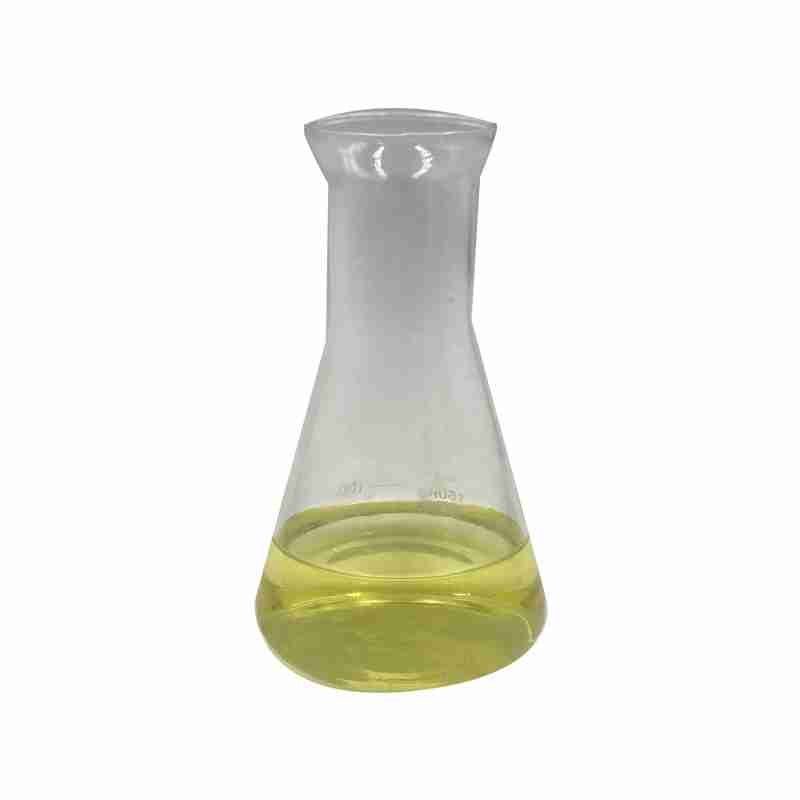
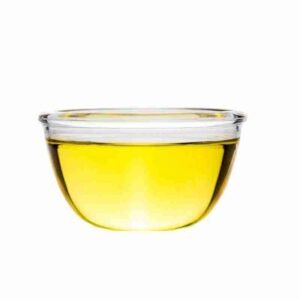
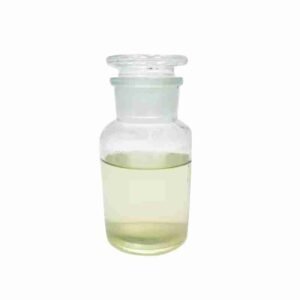
Chemical Properties viscous yellow to amber liquid
Uses cocamide DEA is a thickener and viscosity builder for cosmetic surfactant systems. It is added to lauryl sulfate-based liquid cleansers to help stabilize the lather and improve foam formation.
Uses Coconut diethanolamide is a mixture of ethanolamides of coconut acid. It is a component in bath, shower and body cosmetics and in cooling fluids; emulsifying agent; emulsion stabilizer; surfactant- and viscosity-controlling agent.
Application Coconut diethanolamide has the properties of wetting, washing, emulsifying, softening, etc. It has good foam stabilising effect on anionic surfactants. It is an indispensable raw material for a variety of cosmetic products such as liquid detergents, liquid soaps, shampoos, cleansers and cleansers. When used with soap, it is resistant to hard water.
It can also be used as an emulsifying stabiliser for cream products, and is widely used in shoe polish, printing inks, drawing supplies and so on.
It is used in the textile printing and dyeing industry as a detergent for fabrics, as well as other detergent ingredients and thickeners.
It is one of the components of spinning oil for synthetic fibres such as polypropylene. It has a good thickening effect on liquid products using anionic surfactants as the main raw material.
It has a certain antistatic conditioning effect and is less irritating to the skin.
It is widely used as an emulsifier for oily raw materials in various cosmetics and surfactant products. It is commonly used in cosmetic formulations for bath oils, shampoos, conditioners, lipsticks and hair dyes. It is also a surfactant in soap bars, light detergents and dishwashing detergents, and a degreasing agent for cottonseed.
General Description Viscous amber or yellow liquid. pH (1% aqueous solution) 9.
Air & Water Reactions Water soluble. Foams in water.
Reactivity Profile Coconut diethanolamide is a mixture of amines. Amines are chemical bases. They neutralize acids to form salts plus water. These acid-base reactions are exothermic. The amount of heat that is evolved per mole of amine in a neutralization is largely independent of the strength of the amine as a base. Amines may be incompatible with isocyanates, halogenated organics, peroxides, phenols (acidic), epoxides, anhydrides, and acid halides. Flammable gaseous hydrogen is generated by amines in combination with strong reducing agents, such as hydrides.
Hazard A poison by ingestion. A moderate skin irritant.
Fire Hazard Coconut diethanolamide is probably combustible.
Contact allergens Cocamide DEA, manufactured from coconut oil, is widely used in industry and at home as a surface-active agent. It is contained in hand gels, hand washing soaps, shampoos, and dish-washing liquids for its foam-producing and stabilizing properties, and in metal working fluids and polishing agents as an anticorrosion inhibitor.
Safety Profile A poison by ingestion. A moderate skin irritant. Questionable carcinogen with experimental Carcinogenic data reported. When heated to decomposition it emits acrid smoke and irritating vapors.
Synthesis Coconut diethanolamide is produced by the condensation reaction of an appropriate fatty acid (methyl cocoate, coconut oil, whole coconut acid, or stripped coconut fatty acids) with diethanolamine in 1:1 or 1:2 molar ratios using temperatures up to 170??C and in the presence of an alkaline catalyst. The 1:2 mixtures of fatty acids (or methyl fatty acids) with diethanolamine result in low quality diethanolamides with residual ethylene glycol and free diethanolamine. 1:1 mixtures produce higher quality diethanolamides with much less free amine, and are therefore used in lower concentrations than the 1:2 diethanolamides.
Request a Sample or Quote

Interested in
Coconut diethanolamide CAS#68603-42-9?

Fill in the form and our team will respond within 24 hours with product samples, full certification documents (COA/MSDS), and a competitive price quote.

Submitting...

By submitting this form you agree to be contacted by BuyChemic regarding your inquiry. We respect your privacy and will never share your information.

Related Products

You may also be interested in these products

Octyl 4-methoxycinnamate CAS#5466-77-3

Octyl 4-methoxycinnamate, scientifically known as 2-Ethylhexyl 4-Methoxycinnamate, is a highly effective organic UV filter commonly used in the formulation of sunscreens and cosmetic products. This compound is renowned for its ability to absorb ultraviolet B (UVB) radiation, providing a reliable defense against the sun's harmful effects on the skin. Characterized by its chemical formula C19H28O3, Octyl 4-methoxycinnamate is a liquid ester that is readily soluble in organic solvents. It is valued for its photostability, which means it maintains its protective properties even after prolonged exposure to sunlight. This feature makes it an ideal ingredient for products designed to offer long-lasting sun protection. In addition to its UVB absorption capabilities, Octyl 4-methoxycinnamate is also appreciated for its compatibility with other UV filters, allowing for the creation of broad-spectrum sunscreens. It contributes to the development of formulations that are non-greasy and cosmetically elegant, suitable for a variety of skin types. <p class="last-node">As a key component in sun care products, Octyl 4-methoxycinnamate supports the skin's health by preventing sunburn, reducing the risk of skin cancer, and delaying the signs of photoaging. Its safety profile and efficacy make it a preferred choice in the personal care and dermatological industries for sun protection solutions.</p>

View Details

Patchouli Oil CAS# 8014-09-3

Pogostemon cablin (Blanco) Benth Made from dried leaves. It is a viscous liquid ranging from reddish brown to greenish brown, with a unique, slightly camphor like woody fragrance.The patchouli shrub is mainly planted in Indonesia. It grows up to 1 meter, but when harvested, it will be cut to 10-15 centimeters. It is best to extract oil from sun dried leaves, with a yield of about 2%.The three terpenoids found in patchouli oil, namely caryophyllene, patchouli alcohol or patchouli alcohol, and nopachenol, are the typical sources of patchouli fragrance. Thin layer chromatography and high performance liquid chromatography are used to identify potential chemical markers for evaluating the quality of the Chinese herbal medicine ingredient ??patchouli herb?? (aboveground part of patchouli). In addition to the reported patchouli alcohol and 2-hydroxy-6-methyl-3- (4-methylpentanoyl) -4-pyranone, three phenylethane compounds (acteoside, isoacteoside, and crenatoside) were also isolated from this plant material for the first time.

View Details

N,N-Dimethylaniline CAS#121-69-7

N,N-Dimethylaniline is an organic compound with amine and methyl groups attached to a benzene ring. It is a colorless liquid with a characteristic amine odor. This compound is primarily used as a chemical intermediate in the synthesis of dyes, pigments, and polymers. Its reactivity makes it a valuable building block in the production of various organic compounds, particularly in the pharmaceutical and chemical industries.

View Details