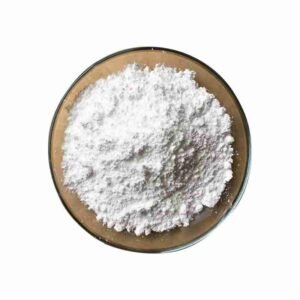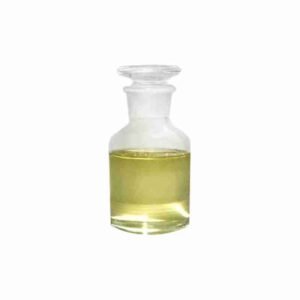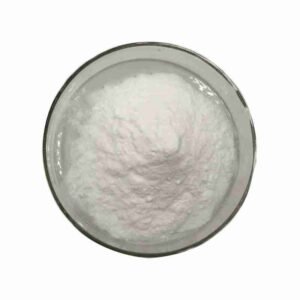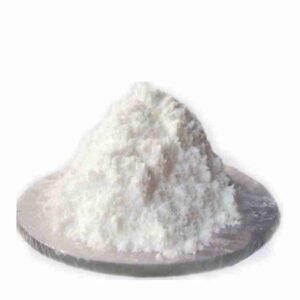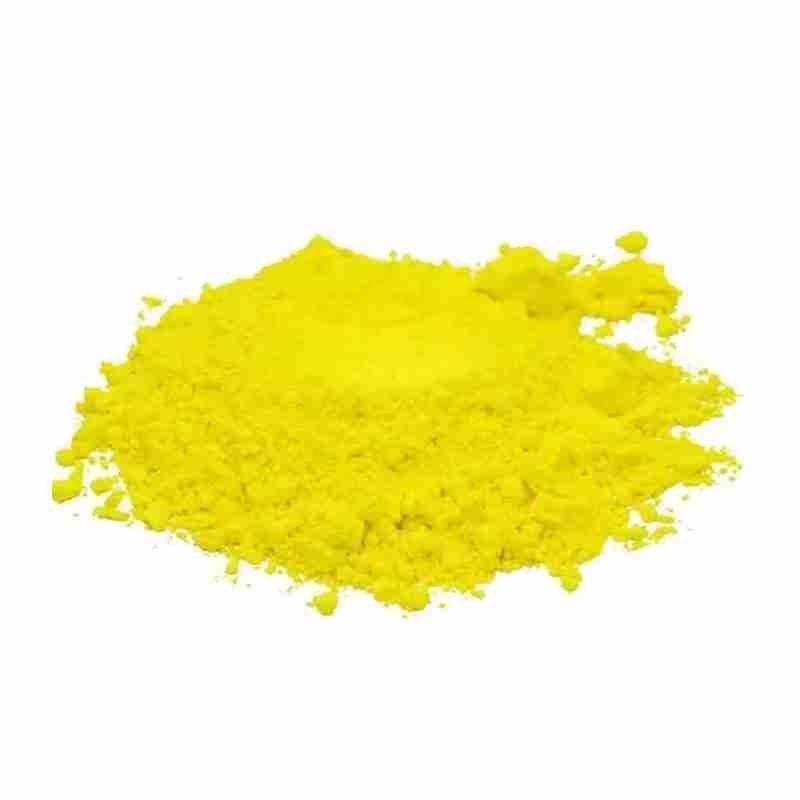
2-Methyl-4-isothiazolin-3-one CAS#2682-20-4
In Stock · Ready to Ship

Certifications & Standards

FDAEUISOGMPHACCPKosherHalal

2-Methyl-4-isothiazolin-3-one CAS#2682-20-4

2-Methyl-4-isothiazolin-3-one, commonly referred to as MI, is a potent, synthetic preservative widely used in the cosmetic and personal care industry. This organic compound, with the chemical formula C4H5NOS, is a member of the isothiazolinone family known for its broad-spectrum antimicrobial activity. MI is effective against a variety of microorganisms, including bacteria, yeasts, and molds, making it an ideal preservative for formulations that require protection from spoilage and contamination. It is particularly valued for its ability to provide long-lasting protection even at low concentrations. As a preservative, MI is recognized for its compatibility with a wide range of cosmetic ingredients and its ability to be used in leave-on and rinse-off products. Its stability in different pH ranges and resistance to heat and light further contribute to its utility in various formulations. <p class="last-node">In summary, 2-Methyl-4-isothiazolin-3-one is a reliable and efficient preservative, offering robust antimicrobial protection for a diverse array of products. Its versatility and effectiveness make it a preferred choice for maintaining the integrity and safety of cosmetic and personal care products.</p>

Product Specifications

Contact us for detailed specifications
Certified Quality
48hr Sample Dispatch
COA & MSDS Provided

Product Description

2-Methyl-4-isothiazolin-3-one, commonly referred to as MI, is a potent, synthetic preservative widely used in the cosmetic and personal care industry. This organic compound, with the chemical formula C4H5NOS, is a member of the isothiazolinone family known for its broad-spectrum antimicrobial activity.

MI is effective against a variety of microorganisms, including bacteria, yeasts, and molds, making it an ideal preservative for formulations that require protection from spoilage and contamination. It is particularly valued for its ability to provide long-lasting protection even at low concentrations.

As a preservative, MI is recognized for its compatibility with a wide range of cosmetic ingredients and its ability to be used in leave-on and rinse-off products. Its stability in different pH ranges and resistance to heat and light further contribute to its utility in various formulations.

In summary, 2-Methyl-4-isothiazolin-3-one is a reliable and efficient preservative, offering robust antimicrobial protection for a diverse array of products. Its versatility and effectiveness make it a preferred choice for maintaining the integrity and safety of cosmetic and personal care products.

Description

2-Methyl-4-isothiazolin-3-one Chemical Properties
Melting point 254-256???C(lit.)
Boiling point bp0.03 93??
density 1.25 (14% aq.)
vapor pressure <0.1 mm Hg ( 25 ??C)
storage temp. 2-8??C
solubility Chloroform, Ethyl Acetate
pka -2.03??0.20(Predicted)
form Solid
color Yellow
Water Solubility 489g/L at 20??
BRN 606203
InChIKey BEGLCMHJXHIJLR-UHFFFAOYSA-N
LogP -0.486 at 20??
CAS DataBase Reference 2682-20-4(CAS DataBase Reference)
NIST Chemistry Reference 3(2H)-isothiazolone, 2-methyl-(2682-20-4)
EPA Substance Registry System 2-Methyl-3(2H)-isothiazolone (2682-20-4)
Safety Information
Hazard Codes N,C,T
Risk Statements 50/53-50-43-34-20/21/22-37-23-22
Safety Statements 60-61-36/37/39-26-24-45
RIDADR UN 3077 9/PG 3
WGK Germany 2
RTECS FE1250000
HazardClass 8
PackingGroup III
HS Code 29349990
Hazardous Substances Data 2682-20-4(Hazardous Substances Data)

Related Tags

Request a Sample or Quote

Interested in
2-Methyl-4-isothiazolin-3-one CAS#2682-20-4?

Fill in the form and our team will respond within 24 hours with product samples, full certification documents (COA/MSDS), and a competitive price quote.

Submitting...

By submitting this form you agree to be contacted by BuyChemic regarding your inquiry. We respect your privacy and will never share your information.

Related Products

You may also be interested in these products

3-methyl-4-propan-2-ylphenol CAS#3228-02-2

3-Methyl-4-propan-2-ylphenol is a key aromatic intermediate with a distinctive methyl and isopropyl substitution pattern on a phenolic structure. It plays a crucial role in the production of specialty chemicals and pharmaceuticals, offering a robust platform for the development of innovative applications.

View Details

3-methyl-4-propan-2-ylphenol CAS#3228-02-2

3-Methyl-4-propan-2-ylphenol is a key aromatic intermediate with a distinctive methyl and isopropyl substitution pattern on a phenolic structure. It plays a crucial role in the production of specialty chemicals and pharmaceuticals, offering a robust platform for the development of innovative applications.

View Details

Levodopa CAS#59-92-7

Levodopa, also known as L-DOPA or 3,4-dihydroxy-L-phenylalanine, is a naturally occurring amino acid and a critical precursor in the biosynthesis of the neurotransmitters dopamine, norepinephrine, and epinephrine. With the molecular formula C9H11NO4, levodopa is a large, neutral amino acid that plays a significant role in the treatment of Parkinson's disease due to its ability to cross the blood-brain barrier and be converted into dopamine. Chemically, levodopa is synthesized from the precursor amino acid tyrosine through the action of the enzyme tyrosine hydroxylase. As a medication, levodopa is often formulated with a peripheral DOPA decarboxylase inhibitor to reduce its conversion to dopamine outside the brain, thereby increasing its effectiveness and reducing side effects. Levodopa is characterized by its effectiveness in alleviating the motor symptoms of Parkinson's disease, such as tremors, rigidity, and bradykinesia. It is typically administered orally and absorbed from the gastrointestinal tract, where it is then transported to the brain. <p class="last-node">In summary, levodopa is a vital pharmaceutical compound used in neurology for its role in treating Parkinson's disease by replenishing the brain's dopamine levels. Its targeted delivery and conversion to dopamine make it an essential treatment option for managing the motor symptoms associated with this condition.</p>

View Details