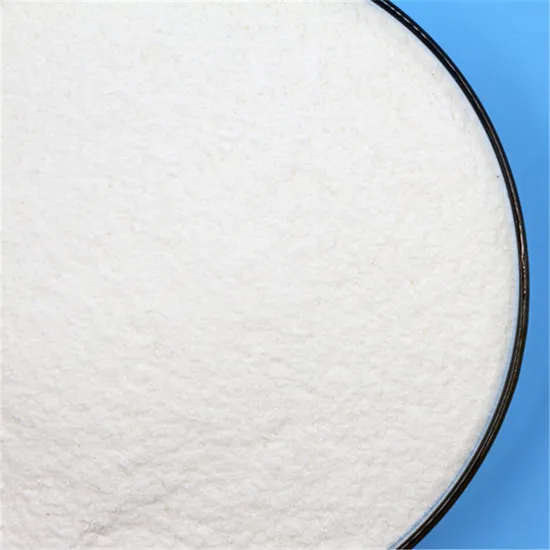
For industrial manufacturing and laboratory research purposes only.
Product Specifications
| Parameter | Value |
|---|---|
| Model NO. | HV-PAC |
| Usage | Oil Drilling Auxiliary Agent |
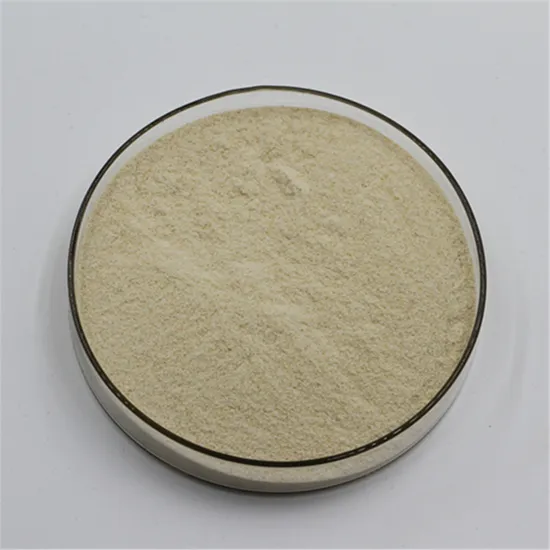
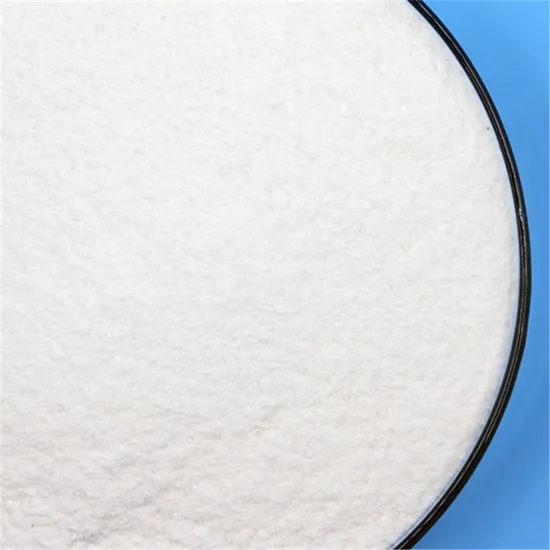
| Color | White |
| Pallet Size | 110cm*110cm*10cm |
| Shelf Life | 2 Years |
| Certificate | ISO 9001: 2015 |
| Nearest Port | Tianjin Port |
| Degree of Substitution (D.S) | 0.9 |
| Moisture | 10% |
| Fluid Loss, Ml | 23 |
| Apparent Viscosity, (MPa.S) | 55 |
| Transport Package | 25 Kg/Bag |
| Trademark | Summit |
| Origin | Tianjin, China |
| Production Capacity | 4000 Tons/Year |
Oilfield Drilling Use Polyanionic Cellulose PAC-Hv: Addressing Fluid Loss and Viscosity Control Challenges
For over a decade in the oilfield chemical supply industry, we've witnessed how inconsistent drilling fluid additives can lead to costly operational delays. Many drilling operations struggle with fluid loss issues that compromise wellbore stability, or face viscosity fluctuations that disrupt drilling efficiency—problems often rooted in substandard Polyanionic Cellulose products with unregulated quality control.
Stable Performance Polyanionic Cellulose PAC-Hv for Oil Drilling
Our Oilfield Drilling Use Polyanionic Cellulose PAC-Hv is engineered to solve these critical challenges. As a direct factory-sourced product, it eliminates the quality variations introduced by middlemen, ensuring each batch meets the exacting standards required for oil drilling applications. With a production capacity of 4000 Tons/Year, we provide consistent supply to support both large-scale operations and specialized drilling projects.
Key Applications in Oilfield Drilling Operations
Polyanionic Cellulose PAC-Hv serves as a high-performance oil drilling fluid loss agent, effectively controlling fluid loss to maintain wellbore integrity. Its high viscosity properties make it ideal for stabilizing drilling mud systems, particularly in challenging formations where fluid rheology management is critical. This HV-PAC drilling additive is widely used in onshore and offshore drilling operations to enhance mud performance under varying temperature and pressure conditions.
The Critical Role of Technical Specifications in Drilling Fluid Performance
The technical specifications of our Polyanionic Cellulose PAC-Hv directly impact drilling efficiency. With a Degree of Substitution (D.S) of 0.9, it ensures optimal solubility and performance in aqueous drilling fluids. The controlled moisture content of 10% prevents caking and ensures uniform dispersion, while the apparent viscosity of 55 MPa.S provides the necessary flow characteristics for effective cuttings transport. Most importantly, the fluid loss value of 23 ml demonstrates its ability to form a stable filter cake, reducing formation damage and fluid invasion.
Quality Assurance: ISO 9001 Certification and Beyond
Choosing our ISO 9001 PAC-Hv means investing in reliability. Unlike uncertified products that may introduce unpredictable performance issues, our certified Polyanionic Cellulose undergoes rigorous quality control at every production stage. This commitment to quality translates to fewer drilling interruptions, reduced material waste, and improved overall operational efficiency. The white appearance of our White PAC-Hv also indicates low impurity levels, further ensuring consistent performance in sensitive drilling applications.
Our Commitment to Quality and Supply Reliability
We maintain a comprehensive quality control process, including testing for key parameters like fluid loss, viscosity, and moisture content for each production batch. Every shipment is accompanied by a Certificate of Analysis (COA) detailing the exact specifications of that batch. With our direct factory connections and strategic location near Tianjin Port, we ensure timely delivery even for large-volume orders. Our 10+ years of experience in serving industrial clients worldwide means we understand the critical nature of supply reliability in the oilfield sector.
Certificate of Analysis & Documentation
Each order of Polyanionic Cellulose PAC-Hv includes a batch-specific COA and MSDS, providing full transparency on product specifications and safety handling information. For clients requiring additional verification, detailed test reports can be provided upon request, ensuring complete confidence in the product's compliance with your operational requirements.
Storage & Handling
- Store in a cool, dry, well-ventilated area, sealed and away from direct sunlight.
- Keep away from incompatible materials, food and feed sources.
- Handle with appropriate personal protective equipment (gloves, goggles, lab coat).
- Follow good industrial hygiene practices. Avoid inhalation and skin contact.
- Refer to MSDS for detailed storage and safety instructions.
Streamlined Order Process for Oilfield Chemicals
To place an order for Polyanionic Cellulose PAC-Hv, simply submit your procurement requirements through our platform. We'll connect you directly with the manufacturing facility to confirm specifications, arrange sample testing if needed, and finalize your order. With our 25 Kg/Bag standard packaging and flexible shipping options from Tianjin Port, we ensure a smooth transition from order to delivery.
Frequently Asked Questions
Q: What is the shelf life of Polyanionic Cellulose PAC-Hv?
A: The product has a shelf life of 2 years when stored in a cool, dry, and well-ventilated area in its original sealed packaging.
Q: Can this product be used for food or pharmaceutical applications?
A: No, this product is intended FOR INDUSTRIAL AND LABORATORY RESEARCH USE ONLY. NOT FOR DIRECT HUMAN CONSUMPTION, THERAPEUTIC OR HOUSEHOLD USE.
Q: What documentation is provided with each shipment?
A: Each shipment includes a Certificate of Analysis (COA) specific to the batch and a Material Safety Data Sheet (MSDS).
Q: Is custom packaging available?
A: Our standard packaging is 25 Kg/Bag. For large-volume orders, custom packaging options can be discussed with our sales team.
Q: How is the product's quality ensured?
A: The product is manufactured under ISO 9001:2015 certification, with each batch tested for key parameters including fluid loss, viscosity, and moisture content.