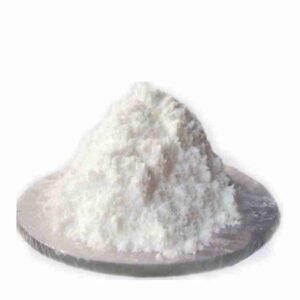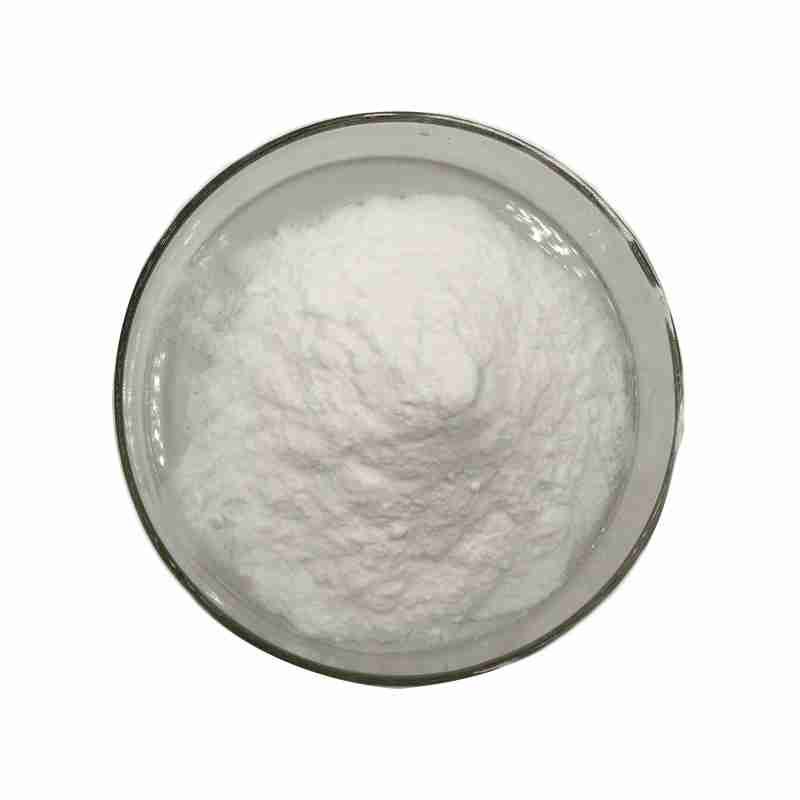
Monostearin CAS#123-94-4
In Stock · Ready to Ship

Certifications & Standards

FDAEUISOGMPHACCPKosherHalal

Monostearin CAS#123-94-4

Monostearin is a versatile emulsifier and emollient derived from glycerol and stearic acid. It is instrumental in stabilizing emulsions and enhancing the texture and consistency of a wide range of products in the cosmetics, food, and pharmaceutical sectors.

Product Specifications

Contact us for detailed specifications
Certified Quality
48hr Sample Dispatch
COA & MSDS Provided

Product Description

Monostearin is a versatile emulsifier and emollient derived from glycerol and stearic acid. It is instrumental in stabilizing emulsions and enhancing the texture and consistency of a wide range of products in the cosmetics, food, and pharmaceutical sectors.

Description

Monostearin Chemical Properties
Melting point 78-81???C
Boiling point 476.9??25.0 ??C(Predicted)
density 0.9678 g/cm3
FEMA 2527 | GLYCERYL MONOSTEARATE
storage temp. -20??C
solubility Chloroform (Slightly)
form Solid
pka 13.16??0.20(Predicted)
color White to Off-White
Odor at 100.00 %. mild fatty waxy
Odor Type fatty
JECFA Number 918
Merck 4489
BRN 1728685
Hydrophilic-Lipophilic Balance (HLB) 5.5
Dielectric constant 4.9??77.0?棩
InChIKey VBICKXHEKHSIBG-UHFFFAOYSA-N
LogP 7.23
CAS DataBase Reference 123-94-4(CAS DataBase Reference)
NIST Chemistry Reference Octadecanoic acid, 2,3-dihydroxypropyl ester(123-94-4)
EPA Substance Registry System 1-Monostearin (123-94-4)
Safety Information
Safety Statements 24/25
WGK Germany 1
HS Code 29157090

Related Tags

Request a Sample or Quote

Interested in
Monostearin CAS#123-94-4?

Fill in the form and our team will respond within 24 hours with product samples, full certification documents (COA/MSDS), and a competitive price quote.

Submitting...

By submitting this form you agree to be contacted by BuyChemic regarding your inquiry. We respect your privacy and will never share your information.

Related Products

You may also be interested in these products

N,N-Diethyl-m-toluamide CAS#134-62-3

N,N-Diethyl-m-toluamide, commonly known as DEET, is a widely recognized synthetic compound that serves as the active ingredient in numerous insect repellent products. DEET is characterized by its efficacy in deterring and repelling a variety of insects, including mosquitoes, ticks, and flies, which are known vectors for diseases such as malaria, Lyme disease, and Zika virus. Chemically, DEET is an amide with the molecular formula C12H19NO. It was first developed in 1946 and has since become the benchmark against which other insect repellents are measured. DEET works by targeting the olfactory receptors of insects, masking the scent of humans and animals, which are typically attractive to these pests. This compound is valued for its long-lasting protection and stability under various environmental conditions. It is available in various formulations, including sprays, lotions, and creams, and can be applied topically to skin or clothing. DEET is also known for its compatibility with other active ingredients, allowing for the development of multi-purpose products. <p class="last-node">In summary, DEET is a reliable and effective insect repellent, widely used for its ability to provide durable protection against disease-carrying insects. Its chemical properties and formulation flexibility make it a staple in the field of personal insect protection.</p>

View Details

Hydrogenated Lecithin CAS #92128-87-5

Hydrogenated lecithin is light yellow or milky white powder. Due to the use of catalysis and hydrogenation processes, the unsaturated chains of unsaturated fatty acids in the molecular structure of soybean lecithin disappear, thereby greatly improving the chemical stability, dispersibility, and emulsification of lecithin. It has decolorization and deodorization effects, which is more conducive to storage and preservation, and improves its role in medicine, high-end cosmetics, and light industry. It is especially suitable for intravenous fat emulsifiers and nutrients. It is used as a blood lipid emulsifier to prevent arteriosclerosis, and has the advantages of being easy to digest, easy to absorb, and almost not remaining in the internal organs.

View Details