Copper(II) sulfate CAS#7758-98-7
In Stock · Ready to Ship

Certifications & Standards

FDAEUISOGMPHACCPKosherHalal

Copper(II) sulfate CAS#7758-98-7

Copper(II) sulfate, with the chemical formula CuSO4, is a blue crystalline compound that is soluble in water. It is commonly used in agriculture as a fungicide and in the textile industry as a dye fixative. Copper(II) sulfate is also utilized in the manufacture of pigments, batteries, and as an algaecide in water treatment. Its distinctive blue color and reactivity make it a versatile chemical in various industrial applications, including chemical analysis and electroplating.

Product Specifications

Contact us for detailed specifications
Certified Quality
48hr Sample Dispatch
COA & MSDS Provided

Product Description

Copper(II) sulfate, with the chemical formula CuSO4, is a blue crystalline compound that is soluble in water. It is commonly used in agriculture as a fungicide and in the textile industry as a dye fixative. Copper(II) sulfate is also utilized in the manufacture of pigments, batteries, and as an algaecide in water treatment. Its distinctive blue color and reactivity make it a versatile chemical in various industrial applications, including chemical analysis and electroplating.

Category:

Description

Copper(II) sulfate CAS#7758-98-7

Copper(II) sulfate Chemical Properties
Melting point 200???C (dec.)(lit.)
density 3.603?g/mL?at 25???C(lit.)
vapor pressure 7.3 mm Hg ( 25 ??C)
storage temp. Store at +5??C to +30??C.
solubility H2O: soluble
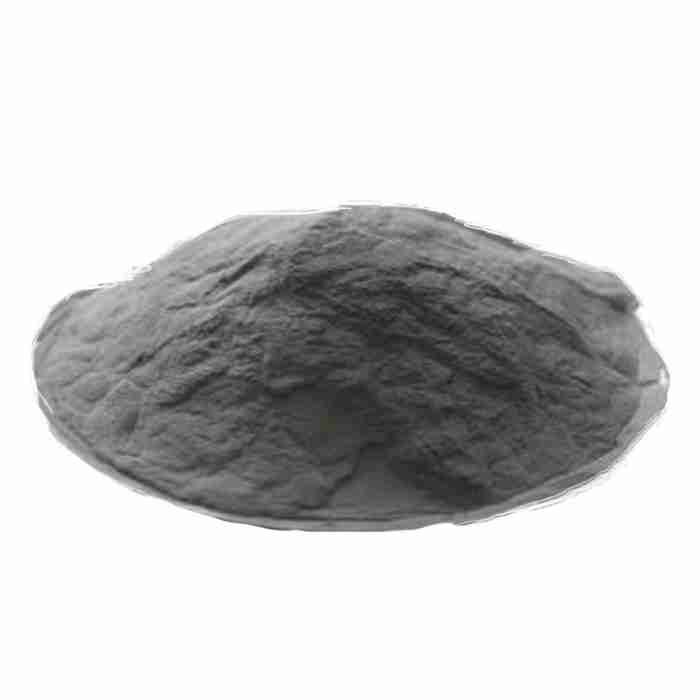
form powder
color Slightly greenish to gray
Specific Gravity 3.603
PH Range 3.7 – 4.5
PH 3.5-4.5 (50g/l, H2O, 20??)
Odor odorless
Water Solubility 203 g/L (20 oC)
Sensitive Hygroscopic
Merck 14,2653
Exposure limits ACGIH: TWA 1 mg/m3
NIOSH: IDLH 100 mg/m3; TWA 1 mg/m3
Dielectric constant 10.3??0.0?棩
Stability: hygroscopic
InChIKey ARUVKPQLZAKDPS-UHFFFAOYSA-L
CAS DataBase Reference 7758-98-7(CAS DataBase Reference)
NIST Chemistry Reference Cupric sulfate(7758-98-7)
EPA Substance Registry System Cupric sulfate (7758-98-7)
Safety Information
Hazard Codes Xn,N,Xi
Risk Statements 36/38-50/53-22-51/53-36/37/38
Safety Statements 24/25-36-60-61-22-26
RIDADR UN 3288 6.1/PG 3
WGK Germany 2
RTECS GL8800000
F 3
TSCA Yes
HS Code 2833 25 00
HazardClass 6.1
PackingGroup III
Hazardous Substances Data 7758-98-7(Hazardous Substances Data)
Toxicity LD50 orally in Rabbit: 481 mg/kg


Request a Sample or Quote

Interested in
Copper(II) sulfate CAS#7758-98-7?

Fill in the form and our team will respond within 24 hours with product samples, full certification documents (COA/MSDS), and a competitive price quote.

Submitting...

By submitting this form you agree to be contacted by BuyChemic regarding your inquiry. We respect your privacy and will never share your information.

Related Products

You may also be interested in these products

hexyl D-glucoside CAS#54549-24-5

Hexyl D-glucoside is a non-ionic, plant-based surfactant derived from renewable resources such as corn or potato starch. It is recognized for its excellent skin compatibility and mildness, making it a preferred choice for formulations in personal care products, especially those targeting sensitive skin. With its superior solubilizing and foaming capabilities, it enhances the sensory experience of the product without compromising its gentleness. Its eco-friendly profile and biodegradability also align with green chemistry principles, appealing to consumers seeking sustainable product options.

View Details

Vitamin A Acetate CAS# 127-47-9 Retinyl Acetate

Retinyl acetate (Vitamin A Acetate) is a yellow prismatic crystal, a lipid compound, and its chemical stability is better than vitamin A. This product or its palmitate is often used clinically dissolved in vegetable oil, and is hydrolyzed by enzymes in the body to obtain vitamin A. The vitamin A recorded in the Chinese Pharmacopoeia is actually vitamin A acetate. There are two types of vitamin A alcohol: vitamin A1 alcohol, which is retinol, and vitamin A2 alcohol, which is dehydroretinol. Vitamin A alcohol usually refers to vitamin A1 alcohol. The biological potency of vitamin A2 alcohol is 30-40% of that of vitamin A1 alcohol. Its structure is similar to vitamin A1 alcohol, except that it has one more double bond at the C-3 and C-4 positions of the cyclohexene ring.

View Details