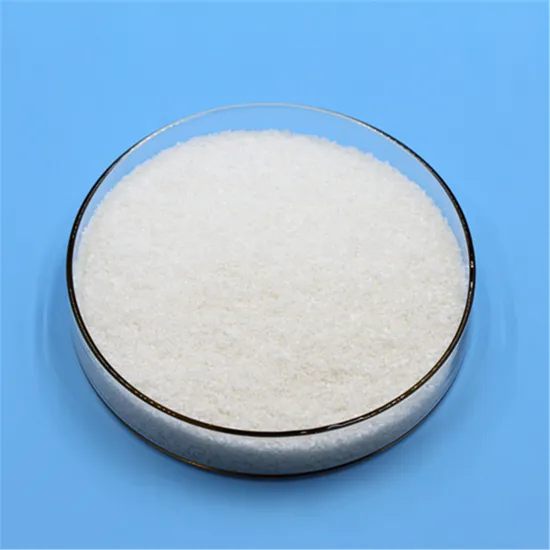
For industrial manufacturing and laboratory research purposes only.
Product Specifications
| Parameter | Value |
|---|---|
| Model NO. | PHPA |
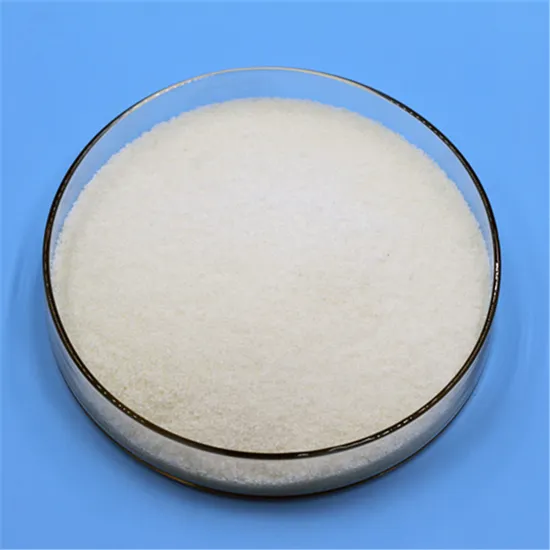
| Color | White |
| Pallet Size | 110cm*110cm*10cm |
| Shelf Life | 2 Years |
| Certificate | ISO 9001: 2015 |
| Nearest Port | Tianjin Port |
| Solid Content | 88% |
| Molecular Weight, Million | 10-25 |
| Hydrolysis Degree | 20-30% |
| Transport Package | 25 Kg/Bag |
| Trademark | Summit |
| Origin | Tianjin, China |
| Production Capacity | 3000 Tons/Year |
Overcoming PHPA Supply Challenges in Industrial Applications
For over a decade in the chemical supply industry, we've witnessed countless production delays caused by inconsistent PHPA quality—fluctuating molecular weights disrupting drilling fluid viscosity or hydrolysis degree variations leading to batch failures in wastewater treatment. Small-batch buyers often struggle with factory MOQs, while middlemen inflate costs without adding value to the supply chain.
A Stable and Reliable PHPA Supply Solution
Our Partially Hydrolyzed Polyacrylamide (PHPA) addresses these critical pain points through direct factory partnerships. With 10-25 million molecular weight and 20-30% hydrolysis degree, this industrial-grade PHPA ensures consistent performance across drilling, water treatment, and mining applications. As a platform with on-site verified factories, we eliminate middlemen while offering flexible order quantities that balance factory efficiency with customer needs.
Typical Industrial Applications
Industrial Grade PHPA Chemical serves as a versatile auxiliary agent in multiple sectors: primary applications include enhancing viscosity in oilfield drilling fluids, improving flocculation efficiency in industrial wastewater treatment, and acting as a rheology modifier in mineral processing. Its white powder form ensures easy dispersion, making it suitable for automated production lines requiring precise additive control.
Why Key Specifications Matter
The 10-25 million molecular weight range directly impacts solution viscosity—critical for maintaining borehole stability in drilling operations. Hydrolysis degree (20-30%) determines charge density, affecting particle adsorption efficiency in water treatment processes. Our 88% solid content guarantees minimal dilution, reducing transportation costs and storage requirements. Each parameter is manufactured to tight tolerances, ensuring batch-to-batch consistency that prevents costly production interruptions.
What You Gain With Our PHPA Chemical Auxiliary Agent
Choosing our PHPA means avoiding the hidden costs of substandard products: inconsistent molecular weight leads to unpredictable performance, while low solid content increases transportation and handling expenses. Backed by ISO 9001:2015 certification, our product meets strict quality management standards, reducing the risk of non-compliance in export markets. With a 3000 Tons/Year production capacity, we ensure stable supply even during peak demand periods, protecting your production schedule from unexpected disruptions.
Why You Can Trust Us
Our quality assurance process includes comprehensive testing for molecular weight distribution via gel permeation chromatography (GPC) and hydrolysis degree verification through titration. Every batch comes with a Certificate of Analysis (COA) detailing key parameters. We maintain full traceability from raw material sourcing to final packaging, and offer technical support to optimize PHPA usage in your specific application. If product specifications fail to meet the stated values, we provide unconditional退换货 (replacement or refund) within 30 days of delivery.
Certificate of Analysis & Documentation
Each shipment includes a batch-specific COA and MSDS, providing detailed safety and handling information. For critical applications requiring additional verification, specific test data (including GPC chromatograms and solid content analysis) can be requested using your order number. All documentation complies with international shipping standards for hazardous chemicals.
Storage & Handling
- Store in a cool, dry, well-ventilated area, sealed and away from direct sunlight.
- Keep away from incompatible materials, food and feed sources.
- Handle with appropriate personal protective equipment (gloves, goggles, lab coat).
- Follow good industrial hygiene practices. Avoid inhalation and skin contact.
- Refer to MSDS for detailed storage and safety instructions.
How to Place Your PHPA Order
Initiate your purchase by submitting a request with your required quantity and technical specifications. We’ll provide a factory-direct quote within 24 hours and arrange sample delivery for qualification testing. Once specifications are confirmed, we sign a tripartite contract with the manufacturing facility, ensuring transparency in pricing and quality commitments. All orders include door-to-door delivery with full customs clearance support.
Frequently Asked Questions
Q: What is the shelf life of your PHPA product?
A: The shelf life is 2 years when stored in original sealed packaging under recommended conditions (cool, dry, well-ventilated area away from direct sunlight).
Q: Can this PHPA be used for food or pharmaceutical applications?
A: No. This product is FOR INDUSTRIAL AND LABORATORY RESEARCH USE ONLY and not suitable for direct human consumption, therapeutic, or household use.
Q: What documentation is provided with each shipment?
A: Every order includes a batch-specific Certificate of Analysis (COA) and Material Safety Data Sheet (MSDS). Additional testing reports can be requested for specific parameters.
Q: Do you support custom packaging or specification adjustments?
A: Custom packaging options (e.g., different bag sizes) are available for orders exceeding 500kg. Specification adjustments may be possible depending on volume—contact our technical team with your requirements.
Q: How is PHPA purity verified in your quality control process?
A: Purity is assessed through multiple methods including solid content testing (gravimetric analysis), molecular weight determination via GPC, and hydrolysis degree measurement by potentiometric titration, with results documented in the COA.